Insider Knowledge Automotive Asia

GTEC (German Technology and Engineering Cooperation) has supported Western companies in Asia since 2005. Mostly in automotive, machinery, environmental technologies, business development, profitable investments, and management. Now, for the first time in history, we put all our knowledge and skills into our GTEC Profit Growth Academy.

As you cannot eat an elephant in one step, let us break down our insider knowledge into small pieces for easy digestion. If you want to get all the newsletters of this series, please write an email to contact@gtec.asia.

Adapt to the new trends in mobility in Asia

What will traction batteries in EVs be able to do soon—and how are they built? We took a closer look. Stay tuned to keep ahead of the curve.

First Example: BYD’s “Blade” Battery. In its flagship HAN, BYD introduced the Blade battery. It ditches traditional modules: instead of many small bricks, it uses long cells that span the battery tray sideways. About 100–120 cells are spread across the pack’s width. This layout means roughly 85% of the battery is active material, the part that stores energy. Why it matters:

  • Denser use of space
  • Fewer non-essential parts
  • Better pack weight and packaging efficiency

Source: https://en.byd.com/news_category/press-release/

https://www.instagram.com/reel/DQ4AwbVjd5y/ 23.11.2025

Second Example: CATL’s “Shenxing” Battery. CATL keeps unveiling new cell formats. Shenxing promises a leap in charge/discharge speed: up to 80% state of charge in about ten minutes—already in series production. The secret is advanced LFP chemistry. Key innovations:

  • Densified cathode particle architecture packs more active material into less space.
  • A 3D honeycomb anode boosts energy density while taming expansion and contraction during charge and discharge.
  • Smart casing and cell geometry maximize interior volume; CATL’s module-free CTP 3.0 saves both space and weight.

Cell-to-Pack (sometimes referred to as C2P or CTP) is a new battery design approach that eliminates intermediate modules and connects the battery cells directly to the pack. This reduces the weight, size, and cost of the battery and increases its energy density and efficiency.

What does this mean for drivers:

  • Faster charging: shorter, simpler pit stops.
  • More range and space efficiency: more energy without a bigger battery bay.
  • Fewer modules: cleaner design that can cut cost, weight, and failure points.

Source: https://www.instagram.com/p/DOWSFbtgV0Z/, 23.11.2025

Bottom line: Battery design shifts from many small modules to larger, space-optimized cells and packs—paired with new chemistries that charge faster and store more energy.

Follow us to catch the next breakthroughs in battery technology as they happen.

For example, what will the traction batteries of electric vehicles look like soon? How will they be manufactured?

We will explore these issues. Please follow us to stay updated.

Karlheinz Zuerl

The System Doctor for your Profit Growth in Europe and BRICS+ countries

CEO of GTEC (German Technology and Engineering Cooperation)

Co-Partner of BRICS Project Network

Book Author
Where we speak in public:

https://leanbase.de/latc/speakers/2026-karlheinz-zuerl

https://leanbase.de/latc/talks/2026-erfolgreich-im-shopfloor-in-china-losungen-die-sie-begeistern-werden

Experts in the Automotive Industry Asia

You need one, but don`t want to hire one permanently?

Our solution: To rent our experts

  • On pay-to-use basis
  • Completely flexible
  • Contract can be cancelled any time

Clearly represented reports and dashboards inclusive!


China’s Electricity: The Unlimited Coffee Pot Powering the Global AI Race

Executive summary

China built electricity like someone stocking a supermarket for a population the size of several Europes — in advance. That “build-first” approach means cheap, abundant power is effectively an input subsidy for everything from factories to AI data centers. Western countries operate the opposite way: build only when demand is proven, let private capital chase quick returns, and then wonder why the lights flicker when AI servers wake up. Result: China runs with a structural advantage in industrial-scale AI deployment.

What makes the difference?

Imagine walking into an office where the espresso machine is always on, the water jug never runs dry, and no one must fight for the last power socket. That’s Shenzhen (South China) — except swap coffee for megawatts. In parts of Europe and the U.S., it often feels like the espresso machine is locked behind ten permits and a referendum.

Why China’s approach looks like a strategy, not an accident?

  • Build-first mentality: Local planners and mayors lay infrastructure before factories arrive. The logic is that the industry won’t come unless the lights, roads, and ports are ready. So, they build them.
  • Overcapacity as insurance: China’s electricity system typically runs with very large reserve margins and frequent new capacity additions. The result: electricity is available when a factory or hyperscale data center needs it.
  • Industrial AI everywhere: From ore-sorting at mines to predictive maintenance on the shop floor and generative design in R&D, AI is embedded across the supply chain — and it doesn’t stall for lack of power.
  • Scale feedback loop: Cheap, plentiful energy attracts investment → investment creates demand → planners build more supply. Boom.

The West’s bottlenecks — told by political economy

  • Permits and politics: Building a new generation and transmission faces long public processes and local opposition.
  • Private capital incentives: Investors want near-term returns. Infrastructure that pays over decades is a harder sell.
  • Supply chain & time: Nuclear takes a decade+; new gas plants need components and permitting; even wind/solar projects can be slowed or canceled.
  • The math: Analysts warn that AI data-center demand could jump manyfold in a decade. Without massive, fast power buildout, household bills and political backlash follow.

A few vivid comparisons

  • China: Adds roughly “one Germany of demand” per year and invests roughly “two Germanies of supply” — a narrative shorthand for scale and speed.
  • U.S./EU: Reserve margins are far smaller; private investment patterns and politics slow capacity growth; the result is potential shortages when AI demand surges.

Why should investors, tech execs, and policymakers care?

  • Competitive advantage: If you run data centers, fabs, or factories, power availability and predictability matter as much as labor or logistics.
  • Risk to AI growth: The “Magnificent 7” and other big cloud players depend on power at scale

Takeaways (make variants out of these six takeaways with your posts/articles/presentations. Choose only one for one article)

  1. Professional/authoritative

For reliable, on-the-ground intelligence from Asia and BRICS to guide smarter investments and stronger profit growth, follow my channels or contact me directly.

  1. Punchy / LinkedIn‑friendly (recommended)

Want real, front-line insights from Asia and the BRICS to spot profitable opportunities before others do? Follow me or DM for actionable intelligence that drives growth.

  1. Urgent / conversion‑focused

Don’t invest blindly. Get the true picture from Asia and BRICS to make better bets and boost returns — follow my channels or book a consultation today.

  1. Corporate / consulting tone

For tailored market intelligence from Asia and BRICS to support your investment strategy and sustainable profit growth, contact me or visit our website.

  1. Short tagline / bold

Asia & BRICS insights: Smarter investments. Bigger profits. Follow or contact me.

  1. Friendly/human

If you want honest, on-the-ground insight from Asia and BRICS to power smarter investments and real profit growth, follow my channels or drop me a message — I’ll share what’s happening.

Experts in the Automotive Industry Asia

You need one, but don`t want to hire one permanently?

Our solution: To rent our experts

  • On pay-to-use basis
  • Completely flexible
  • Contract can be cancelled any time

Clearly represented reports and dashboards inclusive!


China’s Economy: Two very Different Outfits at the Same Party

Welcome to the BRICS Project Network — where we add value and occasionally try to make macroeconomics less soporific. Today’s exhibit: China’s economy, which currently resembles a house party where half the guests are dancing to EDM, and the other half are loudly arguing about the thermostat. Depending on which corner you peer into, you’ll either see fireworks or fuses blowing.

So which is it — booming or busting? Recovering or slowing? The short answer: both. Let’s unpeel this onion (and yes, it might make you cry).

The tale of two economies. Picture two roommates sharing one apartment. One is a tech entrepreneur wearing futuristic headphones, churning out robots and electric cars. The other is a perpetually anxious landlord constantly staring at an empty apartment listing. That, in a nutshell, is today’s China.

Four key datapoints that tell the story

The sunny bits (cue the brass band)

  • High-tech manufacturing: up a whopping 9.3% year-on-year. Think of industrial robots, 3D printing, and new-energy vehicles — basically the shiny stuff Beijing wants to be known for. These sectors are firing.
  • Exports: up 8.0%, beating expectations. Global demand for Chinese-made goods looks robust, jobs in supply chains are humming, and factories have been given a “do not disturb” sign.

The gloomy bits (sound the foghorn)

  • Retail sales: a limp 3.7% growth — a new low for the year and well under forecasts. Consumers are treating their wallets like a rare collectible: keep it closed and don’t let anyone touch it.
  • Real estate investment: down 12%. This isn’t a stumble — it’s a nosedive. Given how much of household wealth in China is tied to property, this is a big psychological and financial anchor dragging domestic confidence down.

Two Competing Storylines

Beijing’s script: strategic transformation with a stiff upper lip. From the official perspective, this divergence is less “crisis” and more “industrial reboot.” The buzz phrase is “new quality productive forces”, which is a polite way of saying: we are deliberately shifting from old, debt-fueled growth (think endless building) to higher-value tech and green industries. The boom in high-tech is the applause line; the property pain is a necessary bruise as the economy weans off an unsustainable addiction. Think of it as tough love on a national scale.

The market’s script: confidence collapse, needing a caffeine injection. International banks and market analysts tell the same numbers a very different story: this isn’t an elegant transformation, it’s an imbalance. They point to a confidence problem. Borrowing might be affordable, but people are saving, not spending. Why? Because the property sector — the bedrock of many households’ wealth — is on shaky foundations. UBS says in some big cities it could take almost 21 months to clear current apartment inventories. When people watch their homes turn from “nest egg” to “liability,” they lock down spending.

Experts in the Automotive Industry Asia

You need one, but don`t want to hire one permanently?

Our solution: To rent our experts

  • On pay-to-use basis
  • Completely flexible
  • Contract can be cancelled any time

Clearly represented reports and dashboards inclusive!


What happened in Asia in 2024?

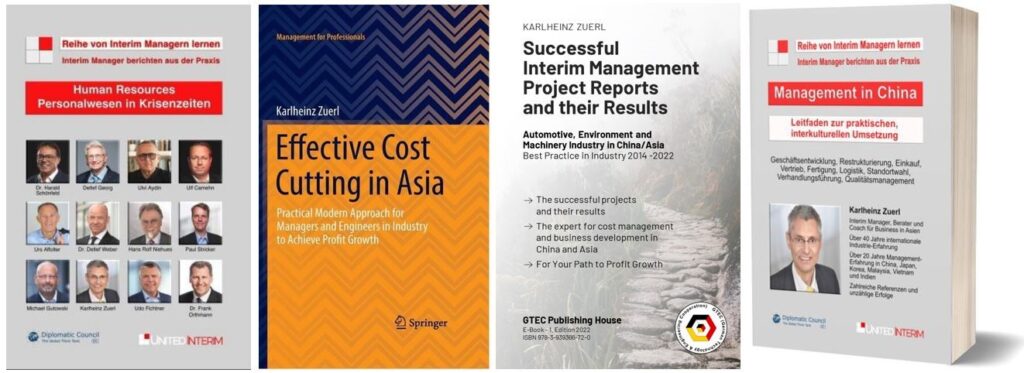
  1. Karlheinz Zuerl wrote and published together with others another important book for managers: “Human Resources During Time of Crisis”

2. Karlheinz Zuerl has been accepted into the ATTA Club as an expert in corporate restructuring. ATTA stands for Asia Turnaround and Transformation Association.

3. In spring times, GTEC opens its office in Chiang Mai, Northern Thailand as a hub for Western companies

  • Office space
  • Co-working
  • Virtual office
  • Conference rooms
  • Superfast WLAN
  • Overnight stays in a “king size bedroom” (2 p), with kitchen, gym and swimming pool (25x 20m)

4. Karlheinz Zuerl completed the “AI” course at Steinbeis Business School in Augsburg in summer 2024.

5. GTEC and HJM won a new consulting project “ESG Reporting” in Germany, which will be completed in January 2025.

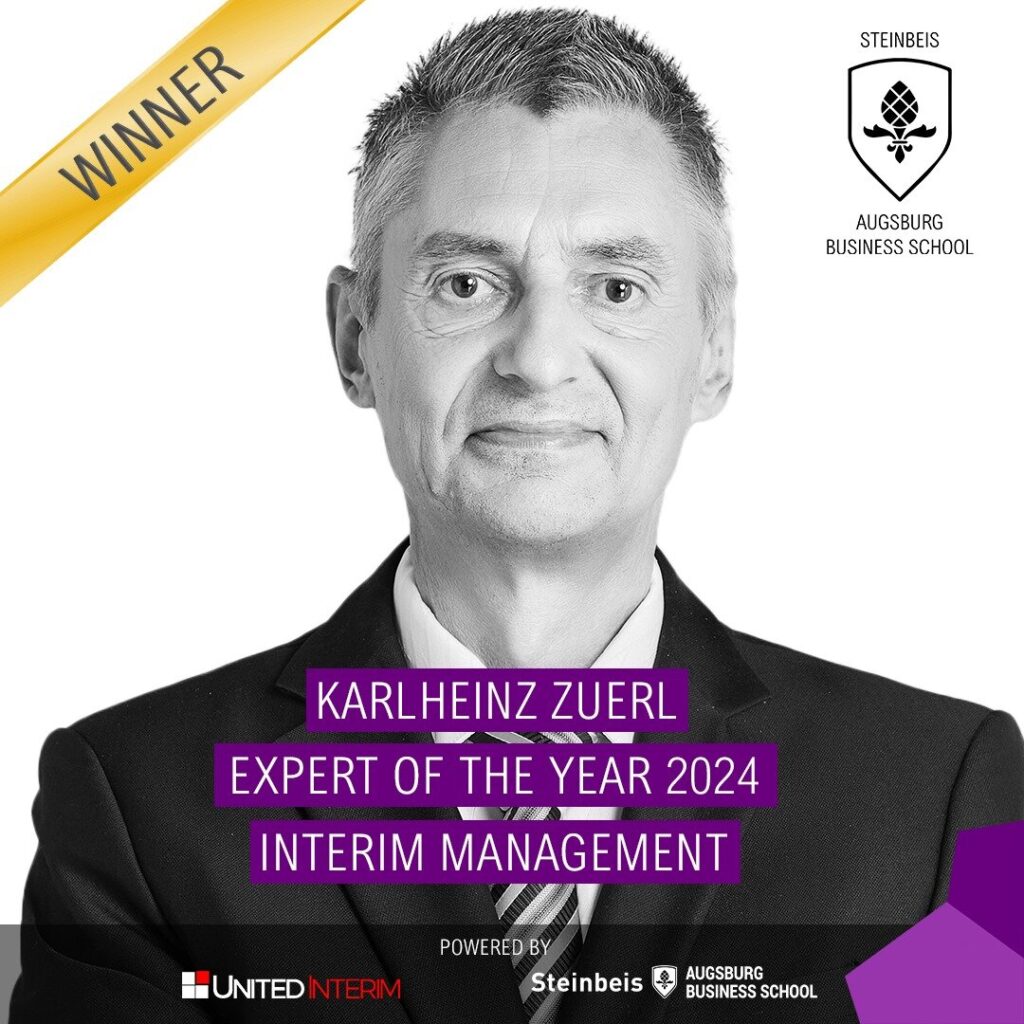
6. Karlheinz Zuerl was named Interim Management Expert of the Year 2024 in June 2024.

7. GTEC won a new consulting project “Turnaround and Restructuring” for a Thai restaurant in Chiang Mai (Northern Thailand), which will run until 2025.

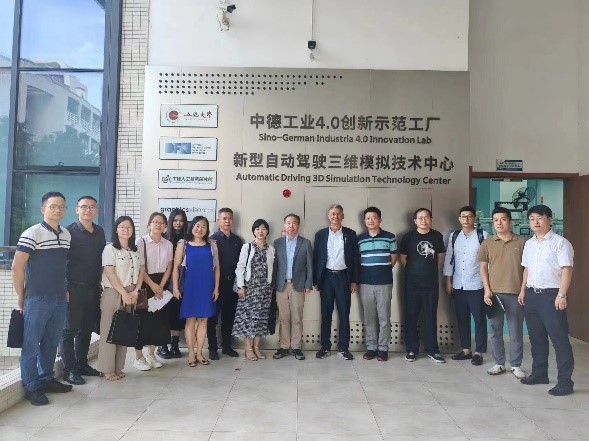
  1. Karlheinz Zuerl was invited to consult for several companies and universities in Guangdong Province, South China.

7. GTEC and partner companies have established the “BRICS Project Network”. Other experts, managers, consultants, and companies can also join to participate.

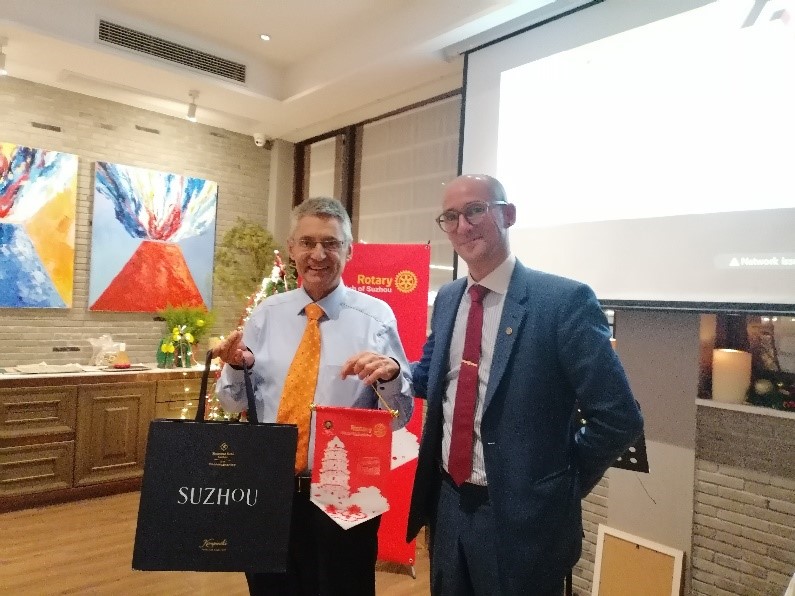
    8. Karlheinz Zuerl presented “Smart Investments in BRICS for Rotary” in Suzhou, China, on 9 December.

    11. GTEC invested as a business angel in a startup company in Hamburg.

      12. GTEC invested in an effective sustainable income system, run by a German company, to let the capital work, instead of working for money. Other business partners and companies can also participate, after the application.

      What are the prospects for 2025? See my articles

      Here you will also find the interim managers, consultants, and companies that can help you in Asia and worldwide in the BRICS countries.

      Do you need restructuring, turnaround, or profit growth? Or are you looking to invest profitably or find investors for your business? We put our experts on the ground and deliver fast, demonstrable results. Please book an appointment with me to help you: https://calendly.com/karlheinzzuerl 

      Please note: An ounce of prevention is worth a pound of cure.

      Best regards

      Karlheinz Zuerl

      CEO of German Technology & Engineering Cooperation (GTEC)

      Experts in the Automotive Industry Asia

      You need one, but don`t want to hire one permanently?

      Our solution: To rent our experts

      • On pay-to-use basis
      • Completely flexible
      • Contract can be cancelled any time

      Clearly represented reports and dashboards inclusive!


      China’s Automotive Industry: Facing New Challenges

      The automotive industry in China remains a cornerstone of its economy, especially in the electric mobility sector. According to the Center of Automotive Management (CAM), over 25% of new cars sold in China are expected to be electric, solidifying the country’s role as a global leader in alternative drive systems.

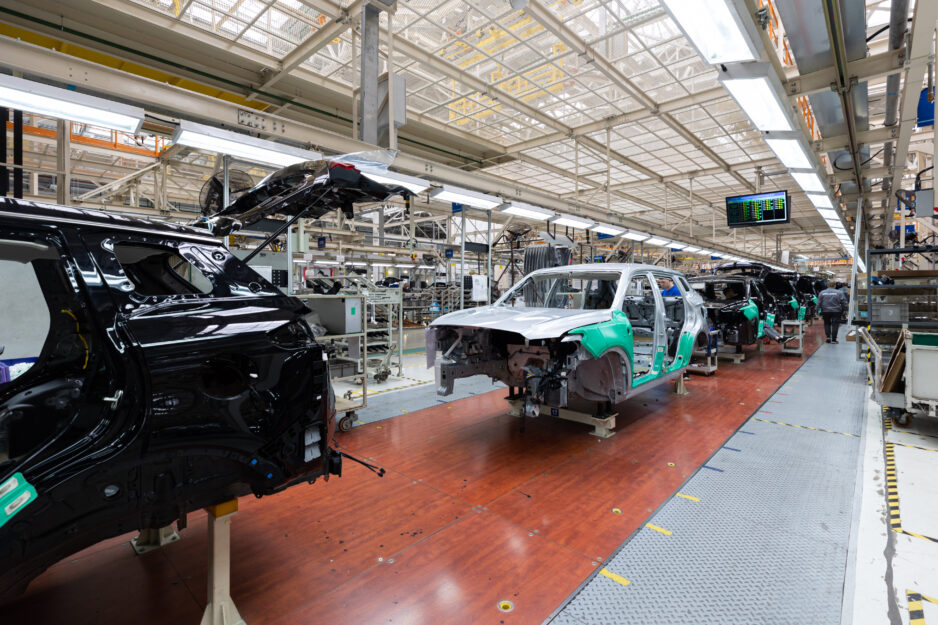
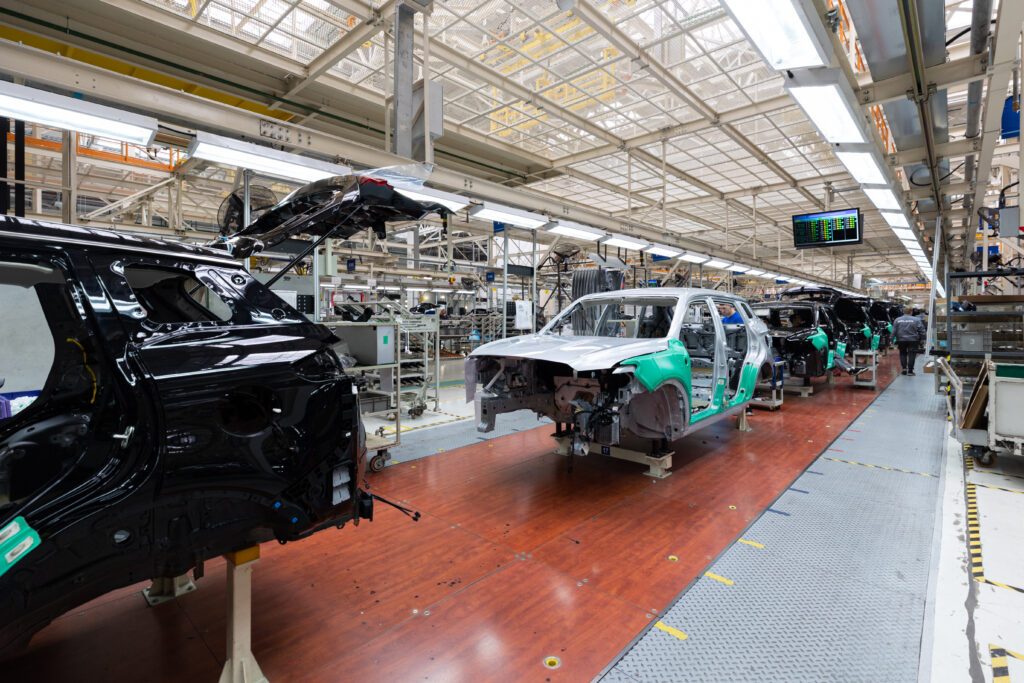
      Minsk, Belarus – Dec 15, 2021: Car bodies are on assembly line. Factory for production of cars. Modern automotive industry. A car being checked before being painted in a high-tech enterprise.

      However, competition is intensifying. German manufacturers not only contend with each other but also face a surge of domestic rivals. The market’s fierce nature has already led to bankruptcies among some Chinese manufacturers.

      Adding to the challenges are growing trade tensions with key partners like the EU, which have negatively impacted China’s electric vehicle exports. Industry leaders are urging the government to extend trade concessions for older vehicles to boost domestic sales.

      Even industry giant BYD, despite a late-2024 sales boom and strengthened market leadership, faces mounting challenges in 2025 as it continues to edge out smaller suppliers.

      #AutomotiveIndustry #ElectricVehicles #ChinaMarket #EVCompetition

      Experts in the Automotive Industry Asia

      You need one, but don`t want to hire one permanently?

      Our solution: To rent our experts

      • On pay-to-use basis
      • Completely flexible
      • Contract can be cancelled any time

      Clearly represented reports and dashboards inclusive!


      China Business 2025 Issue 1: The bleak outlook for 2025 and our approach to solving it

      China’s Economy in 2025: Challenges and Prospects

      China’s economy had a tough time in 2024 – and 2025 could be even more challenging. In addition to long-term structural problems, the trade and technology war with the US threatens to intensify after the US elections in 2024. The uncertainties have already left their mark: Swiss bank UBS has cut its forecast for China’s economic growth in 2025 from 4.5 percent to 4.0 percent.

      Shrinking margins and fierce competition

      The situation for companies in China remains tense. Profit margins have continued to fall in many sectors due to intense price pressure. Weak consumption is a particular drag: Consumers are reluctant to spend, indicating waning confidence in the economic recovery.

      Overcapacity in key sectors

      Government subsidies have led to overcapacity in promising sectors such as solar systems, electric cars and batteries. This overproduction is depressing prices and hurting profitability. What once began as a strategic subsidy is now creating new challenges for companies.

      Debt and the housing crisis

      Another problem is the high level of debt of regional governments. Including local government financial vehicles (LGFVs), their debt amounts to about 80 percent of GDP. Debt restructuring and reduction are progressing slowly. At the same time, the real estate crisis is exacerbating the situation: many local governments were heavily dependent on land sales revenues, which have now collapsed. The link between the real estate sector and public finances is proving to be a key vulnerability in the economy.

      Looking ahead

      China’s economic challenges are complex and multifaceted. The government must act decisively to regain the confidence of businesses and consumers. Structural reforms, a more efficient allocation of resources and a reduction in geopolitical tensions could be important steps in setting the stage for a more stable future.

      Recent developments in the Chinese economy and sector overview

      China’s economy continues to be in the global spotlight. How is the Chinese economy performing and what location factors continue to make the country attractive? What trends are shaping the key sectors and what should companies be aware of in terms of the legal framework? Here we give you an insight into our combined knowledge of the country. Take advantage of the expertise of our interim management and consulting teams to successfully meet the challenges in Asia and the BRICS countries.

      Recommended action: Respond quickly

      One thing is certain: there is bad news coming out of China every week that needs to be assessed on the ground before any decisions are made. Do not hesitate to take the necessary steps to respond to the dynamics of the market.

      Focus on key sectors

      Automotive Industry

      The automotive industry in China remains a key sector of the economy, especially in the area of electric mobility. According to a forecast by the Center of Automotive Management (CAM), more than one in four new cars in China will be electric. The country is thus maintaining its position as a leading market for alternative drive systems. But the competition is getting tougher. German manufacturers are not only facing each other, but also a growing number of domestic competitors. The first bankruptcies among Chinese manufacturers show how tough the market has become.

      Increasing trade tensions with key partners such as the European Union are having a negative impact on exports of electric vehicles from China. Leading industry players have called on the government to extend trade concessions for older vehicles to support domestic sales. Despite a sales boom at the end of 2024, even an industry leader like BYD faces new challenges in 2025. The company has strengthened its role as a market leader and is increasingly squeezing out smaller suppliers.

      Construction Industry

      Construction remains a mainstay of the Chinese economy. However, the sector is struggling with high debt levels and weakening demand. Land sales, which have been an important source of revenue for local governments, are in sharp decline. This is having a ripple effect throughout the construction and ancillary industries.

      Legal framework

      Companies operating in China should keep a close eye on the regulatory environment. Regulatory changes can occur at short notice and have a significant impact on day-to-day business. Working closely with local experts is essential to minimize risks and maximize opportunities.

      The bottom line

      Despite the challenges, China remains a key market for many industries. Companies need to remain flexible and responsive to take advantage of the opportunities this dynamic market offers. Our experts are here to help you make informed and efficient strategic decisions.

      The smart way

      Running a subsidiary in China in these turbulent times is not a project to be undertaken on the side. The key is planning and a willingness to trust experts. GTEC has successfully completed numerous downsizing and restructuring projects in China – and could offer the right solution for your company.

      Sound interesting? Book a no-obligation meeting at https://calendly.com/karlheinzzuerl  and request relevant case studies. With the right support, even the most challenging project can be a success.

      Best regards

      Karlheinz Zuerl

      CEO of German Technology & Engineering Cooperation (GTEC)

      The system doctor and problem solver in your industry in Asia

      • Expert of the Year 2024 in Interim Management (Steinbeis Business School)
      • President 2023/2024 of Rotary Club Suzhou/China
      • Top Interim Manager 2022 (Capital Magazine)
      • Quality-assured interim manager (United Interim)
      • ATTA (Asia Transformation and Turnaround Association)
      • Diplomatic Council Think Tank (Consulting of United Nations)
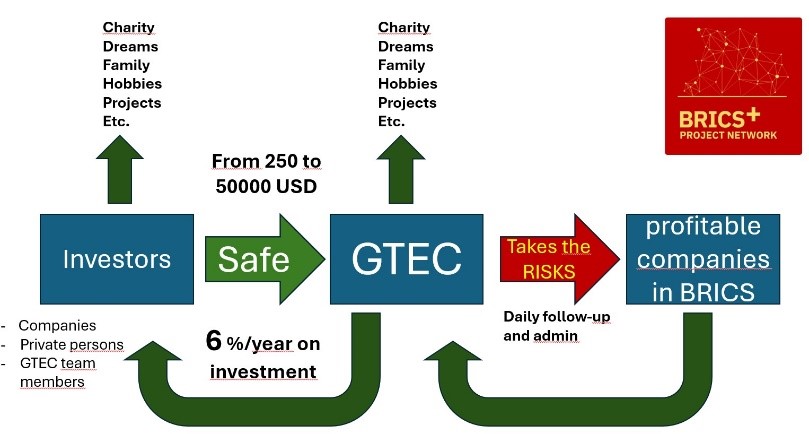
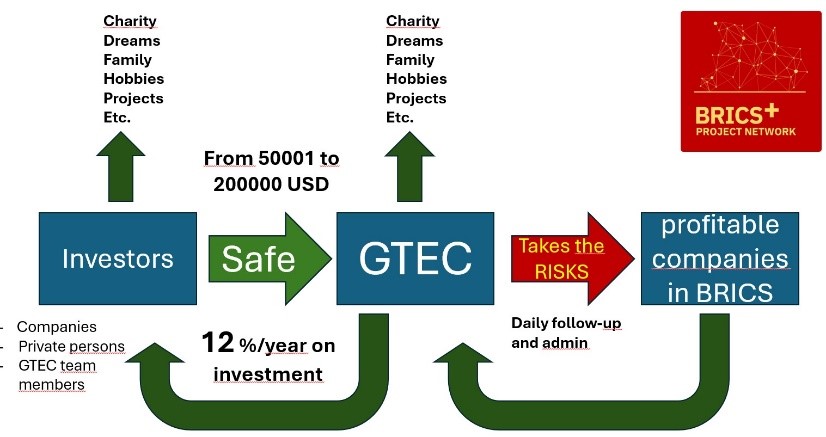
      • Financial professional: Profitable investments in GTEC with an interest rate of 6-12%/year
      • Book author Springer/Hanser/Oldenbourg/GTEC (see Amazon.com)

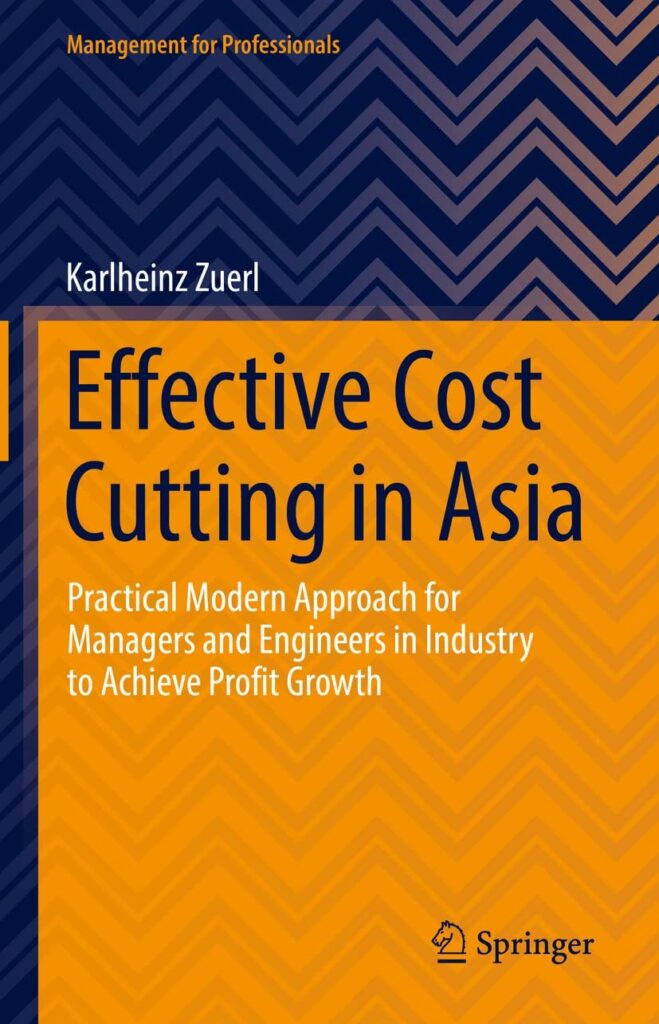
      You will find the latest publication at Effective Cost Cutting in Asia at Amazon.de and Amazon.com (English edition):

      Effective Cost Cutting in Asia: Practical Modern Approach for Managers and Engineers in Industry to Achieve Profit Growth (Management for Professionals)

      Experts in the Automotive Industry Asia

      You need one, but don`t want to hire one permanently?

      Our solution: To rent our experts

      • On pay-to-use basis
      • Completely flexible
      • Contract can be cancelled any time

      Clearly represented reports and dashboards inclusive!


      China Business: Der düstere Ausblick 2025 und unser Lösungsansatz

      Chinas Wirtschaft 2025: Herausforderungen und Aussichten

      Chinas Wirtschaft hatte es 2024 schwer – und 2025 könnte noch herausfordernder werden. Neben langanhaltenden strukturellen Problemen droht nach den US-Wahlen 2024 eine Verschärfung des Handels- und Technologiekriegs mit den USA. Bereits jetzt haben die Unsicherheiten ihre Spuren hinterlassen: Die Schweizer Bank UBS hat ihre Prognose für das Wirtschaftswachstum Chinas für 2025 von 4,5 Prozent auf 4,0 Prozent gesenkt.

      Brand new car, AI generated image

      Sinkende Gewinnspannen und harter Wettbewerb

      Die Lage für Unternehmen in China bleibt angespannt. In vielen Branchen sind die Gewinnspannen durch intensiven Preisdruck weiter gesunken. Besonders die Konsumschwäche belastet: Verbraucher zeigen sich zurückhaltend, was auf ein schwindendes Vertrauen in die wirtschaftliche Erholung hindeutet.

      Überkapazitäten in Schlüsselbranchen

      In zukunftsträchtigen Sektoren wie Solaranlagen, Elektroautos und Akkus haben staatliche Subventionen zu Überkapazitäten geführt. Diese Überproduktion setzt die Preise unter Druck und beeinträchtigt die Profitabilität. Was einst als strategische Förderung begann, stellt Unternehmen nun vor neue Herausforderungen.

      Verschuldung und Immobilienkrise

      Ein weiteres Problem ist die hohe Verschuldung der Regionalregierungen. Einschließlich sogenannter Finanzvehikel (LGFV) beläuft sich ihre Verschuldung auf etwa 80 Prozent des BIP. Die Umschuldung und Schuldenreduzierung verlaufen schleppend. Gleichzeitig verschärft die Immobilienkrise die Situation: Viele Lokalregierungen waren bisher stark auf Einnahmen aus Landverkäufen angewiesen, die nun eingebrochen sind. Die Verknüpfung von Immobiliensektor und öffentlichen Finanzen erweist sich als zentrale Schwachstelle der Wirtschaft.

      Blick nach vorne

      Die wirtschaftlichen Herausforderungen Chinas sind komplex und vielschichtig. Um das Vertrauen von Unternehmen und Verbrauchern zurückzugewinnen, muss die Regierung entschlossen handeln. Strukturelle Reformen, eine effizientere Allokation von Ressourcen und eine Abmilderung der geopolitischen Spannungen könnten wichtige Schritte sein, um die Weichen für eine stabilere Zukunft zu stellen.

      Aktuelle Entwicklungen in der chinesischen Wirtschaft und Branchenübersicht

      Chinas Wirtschaft steht weiterhin im Fokus globaler Beobachtungen. Wie entwickelt sich die chinesische Wirtschaft aktuell, und welche Standortfaktoren machen das Land nach wie vor attraktiv? Welche Trends bestimmen die wichtigsten Branchen, und worauf sollten Unternehmen bei rechtlichen Rahmenbedingungen achten? Hier geben wir Ihnen einen Einblick in unser gebündeltes Wissen über das Land. Nutzen Sie die Expertise unserer Interim-Management- und Beratungsteams, um Herausforderungen in Asien und den BRICS-Ländern erfolgreich zu bewältigen.

      Handlungsempfehlung: Reagieren Sie schnell

      Eines ist sicher: In China gibt es jede Woche neue Hiobsbotschaften, die vor Ort geprüft werden müssen, bevor Entscheidungen getroffen werden. Zögern Sie nicht, die notwendigen Schritte einzuleiten, um auf die Dynamik des Marktes zu reagieren.

      Wichtige Branchen im Fokus

      Automobilindustrie

      Die Automobilindustrie in China bleibt ein zentraler Wirtschaftszweig – insbesondere im Bereich Elektromobilität. Laut einer Prognose des Center of Automotive Management (CAM) wird mehr als jeder vierte Neuwagen in China ein E-Auto sein. Damit behauptet das Land seine Position als Leitmarkt für alternative Antriebe. Doch der Wettbewerb wird zunehmend intensiver. Deutsche Hersteller sehen sich nicht nur untereinander, sondern auch mit einer wachsenden Zahl einheimischer Wettbewerber konfrontiert. Erste Pleiten unter chinesischen Herstellern zeigen, wie hart der Markt geworden ist.

      Zunehmende Handelsspannungen mit wichtigen Partnern wie der Europäischen Union belasten die Exporte von Elektrofahrzeugen aus China. Führende Industrieunternehmen haben die Regierung aufgefordert, Handelskonzessionen für ältere Fahrzeuge auszuweiten, um den Inlandsabsatz zu stützen. Trotz eines Absatzbooms Ende 2024 sieht sich selbst ein Branchenprimus wie BYD 2025 mit neuen Herausforderungen konfrontiert. Der Konzern hat seine Marktführerrolle gestärkt und kleinere Anbieter zunehmend verdrängt.

      Bauindustrie

      Die Bauindustrie bleibt eine tragende Säule der chinesischen Wirtschaft. Der Sektor kämpft jedoch mit hohen Verschuldungen und einer schwächelnden Nachfrage. Landverkäufe, die bisher eine wichtige Einnahmequelle für Lokalregierungen waren, sind stark rückläufig. Dies wirkt sich auf die gesamte Bauwirtschaft und deren Zulieferindustrien aus.

      Rechtliche Rahmenbedingungen

      Unternehmen, die in China tätig sind, sollten die rechtlichen Rahmenbedingungen genau im Blick behalten. Regulatorische Änderungen können kurzfristig erfolgen und erhebliche Auswirkungen auf den Geschäftsalltag haben. Eine enge Zusammenarbeit mit lokalen Experten ist unverzichtbar, um Risiken zu minimieren und Chancen effektiv zu nutzen.

      Fazit

      China bleibt trotz aller Herausforderungen ein Schlüsselmarkt für viele Branchen. Unternehmen sollten flexibel und reaktionsfähig bleiben, um von den Chancen zu profitieren, die sich in diesem dynamischen Markt bieten. Unsere Experten stehen Ihnen zur Seite, um strategische Entscheidungen fundiert und effizient umzusetzen.

      Der clevere Weg

      Eine Niederlassung in China zu führen in diesen turbulenten Zeiten ist kein Projekt für nebenbei. Der Schlüssel liegt in der Planung und der Bereitschaft, Experten zu vertrauen. GTEC hat bereits zahlreiche Downsizing- und Restrukturierungsprojekte in China erfolgreich abgeschlossen – und könnte auch für Ihr Unternehmen die passende Lösung bieten.

      Klingt interessant? Buchen Sie ein unverbindliches Gespräch unter https://calendly.com/karlheinzzuerl und fordern Sie relevante Case Studies an. Denn mit der richtigen Unterstützung wird auch das schwierigste Projekt ein Erfolg.

      Experts in the Automotive Industry Asia

      You need one, but don`t want to hire one permanently?

      Our solution: To rent our experts

      • On pay-to-use basis
      • Completely flexible
      • Contract can be cancelled any time

      Clearly represented reports and dashboards inclusive!


      2024, a year in review with deep insights and innovations

      We completed my last assignment as an active Interim General Manager at the end of 2023, and my company recorded its last active revenue in the spring of 2024. Since then, like many of my IM colleagues, I have not received a single call from a German headhunter or directly from CEOs, even after being named “Interim Manager of the Year 2024”. My expensive and time-consuming marketing campaigns have not yet borne fruit.

      Nevertheless, 2024 has been an extraordinary year for me in many ways. Despite the challenges in the interim business, it was a record year for our company GTEC with profit growth and growing cash flow despite the ongoing interesting consulting project in Thailand.  How does this happen?

      Well, I didn’t spend my hard-earned money. Still, I invested it in other companies and built a very good sustainable income far exceeding my daily rate as Interim General Manager in 2024. “Haha,” you may say, “Where’s the catch? How is that possible?”

      • First of all, I had to change course at short notice because the China track leads to a siding.
      • In Thailand, I have surrounded myself with people who inspire and challenge me.
      • These are business partners who are already where I want to be or who are on the same path. They inspire me and we share visions that take us further.
      • A motivating environment is key to innovation, collaboration, and growth.
      • I surround myself with people who support me and help me grow.
      • Finally, I boldly let go of what holds me back.

      Email me at contact@gtec.asia and we will explain in detail how it works. You will be surprised, but also delighted.

      I wish you and your family a very Happy New Year 2025!

      Greetings from Chiang Mai (Northern Thailand)

      Karlheinz Zuerl

      CEO of the German Technology & Engineering Cooperation (GTEC)

      Experts in the Automotive Industry Asia

      You need one, but don`t want to hire one permanently?

      Our solution: To rent our experts

      • On pay-to-use basis
      • Completely flexible
      • Contract can be cancelled any time

      Clearly represented reports and dashboards inclusive!


      Christmas time and the end of the year

      “The possibility of dreams coming true is what makes life interesting.” – Paulo Coelho

      Christmas time and the end of the year – time to pause for a moment to preserve what has been tried and to start something new….

      When we realize that the time we take for another person is the most precious thing we can give, we understand the meaning of Christmas. (Roswitha Bloch)

      With this in mind, we wish you and your family hours of reflection, relaxation, happy holidays, and a good, joyful start to the New Year.

      Christmas Greetings from Thailand to every Christian who loves our humanitarian service, consultant, and training of GTEC for Western companies to deal with their challenges in Asia, or for Chinese companies who want to go abroad to BRICS countries for investments.

      ———-

      Yesterday, Friday, December 20th, our GTEC PROFIT GROWTH ACADEMY closed its doors for the CHRISTMAS PARTY in HONGKONG (see picture) and some other events with my family there will follow, but GTEC will be back to continue on Dec 26, with an extraordinary Profit Growth investment project in Thailand.

      ​This year has been filled with incredible achievements, connections, and shared successes. Thank you to our team, freelancers, business partners, participants, experts, and professors for making it all possible.

      We wish you a joyful holiday season and an inspiring start to 2025.

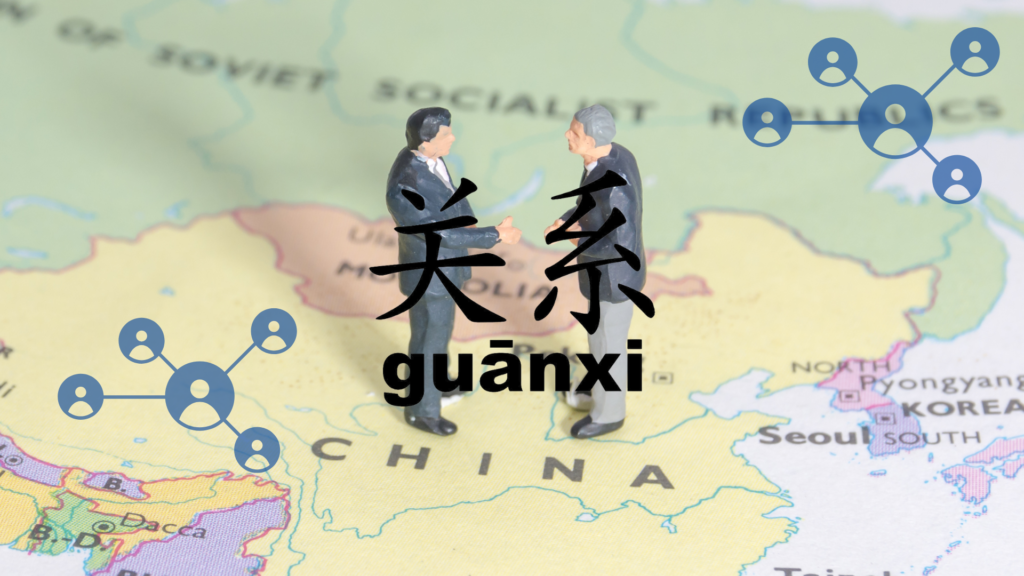
      The Power of Guanxi in Chinese Business Culture

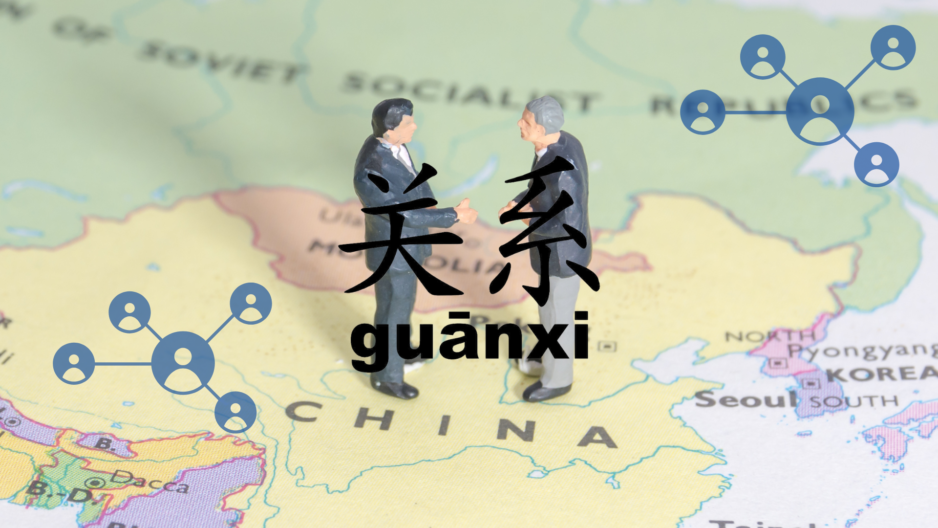
      Expanding your business into Asia, particularly China, can be challenging if you’re unfamiliar with local business customs. In China, Guanxi—the intricate network of personal and professional relationships—is crucial for success. But what exactly is Guanxi, and how can you build and handle it effectively? We’ll answer these questions and more as we support you throughout your international expansion strategy.

      What is Guanxi?

      Guanxi is the cornerstone of business relationships in China and a fundamental concept in Chinese society. While it can be loosely translated as “network,” “relationship,” or “circle,” its deeper meaning refers to the web of “involved relationships” that link individuals. Essentially, Guanxi encompasses everything related to personal and professional connections.

      For Europeans, the concept of Guanxi can be challenging to grasp, as it blends business and personal ties—something that contrasts with the more distinct separation between work and personal life in Europe.

      In practice, Guanxi functions like a trusted contact book, but with a key difference: it is made up of people you can rely on. It’s a system that allows you to tap into your network for support, particularly in business, where connections are often the key to success.

      The Role of Guanxi in an Outsourcing Strategy

      In Chinese business culture, trust and belonging form the foundation of relationships. Building guanxi—a network of trusted connections—requires time, but once established, it becomes a powerful tool. Chinese partners, bound by guanxi, are often willing to provide extensive support.

      This system reinforces hierarchical roles, fostering trust and exclusivity in business dealings. For instance, businesses may avoid entering markets already occupied by others out of respect for established relationships.

      Additionally, Guanxi helps prevent public humiliation by resolving issues discreetly. When challenges arise, Chinese individuals and businesses prefer to consult their Guanxi network rather than risk public embarrassment.

      At its core, Guanxi operates as an exchange of favors. It involves offering a favor at one time, with the expectation of receiving a service of greater value in the future. This asymmetrical dynamic sustains and strengthens the relationship, as providing a greater return ensures the bond remains active. Conversely, failing to honor this norm can lead to social exclusion. Guanxi is not a permanent commitment but requires consistent effort to maintain.

      At its core, guanxi operates as an exchange of favors—a service offered today is repaid with a greater favor in the future, maintaining and strengthening the relationship. However, guanxi requires ongoing effort to sustain. Neglecting this social norm risks severing the relationship, and failing to reciprocate appropriately can lead to exclusion from the network.

      For companies, guanxi is a strategic asset. A strong network, especially one that includes investors, can significantly push business growth. Chinese investors are active participants in these networks and often share valuable insights on platforms like Zhihu, a popular social media platform for exchanging knowledge. Cultivating and leveraging Guanxi can, therefore, offer a competitive edge in navigating the complexities of the Chinese market.

      How to Build Guanxi

      Establishing Guanxi begins with forming a foundation of trust, which must be both absolute and mutual. Entry into a Guanxi network typically requires sponsorship from a trusted third party who can introduce you to key individuals. This trust transcends simple professional relationships, as all parties involved commit to a mutually beneficial, win-win collaboration. The principle of reciprocity is central to building and sustaining Guanxi, where both sides make consistent efforts to maintain a stable relationship.

      Steps to Establish Guanxi

      Participate in Events and Gatherings

      Joining external events, such as business lunches or networking functions, is an effective way to initiate Guanxi. These settings provide an opportunity to learn and adhere to cultural norms, such as bringing a thoughtful gift and presenting it with proper etiquette. Observing these rules demonstrates respect and leaves a positive impression.

      Respect Cultural Norms

      Understanding and respecting Chinese habits and social norms are critical. For example:

      Toasting Etiquette: During a toast, the position of your glass reflects respect. When toasting with someone of higher rank, ensure your glass is slightly lower than theirs.

      Nonverbal Communication: Avoid raising your voice or gesturing excessively when expressing opinions, as these actions are considered impolite and may harm your reputation.

      Adaptability

      Being adaptable is essential, particularly when interacting with individuals of higher status. Demonstrating cultural sensitivity and adjusting your behavior to align with social norms will help you foster strong relationships.

      Word of Mouth

      Recommendations and introductions through word of mouth are powerful tools for expanding Guanxi. In Chinese culture, trusted endorsements carry significant weight and can open doors to valuable connections.

      Incorporating Guanxi into Your Presentation

      • Feature People: Include photos of colleagues, clients, or teams you’ve collaborated with to showcase your relationships and emphasize a spirit of cooperation.
      • Share Experiences: Highlight images from events, milestones, or gatherings to create a personal, relatable narrative.
      • Recognize Partners: Display logos of partner companies and images of key clients or suppliers to show respect and appreciation for the network supporting your business.

      The Economic Benefits of Guanxi

      When built and maintained effectively, Guanxi becomes a strategic asset that can enhance both business growth and career development. A strong Guanxi network can save time, provide access to resources, and serve as a catalyst for long-term success.

      In particular, having an investor within your Guanxi network is highly advantageous. Investors not only provide financial backing but also lend credibility and support, making business development smoother and more efficient.

      Respecting cultural norms, committing to reciprocity, and engaging actively in meaningful interactions are key to building a robust Guanxi, which can offer significant personal and professional advantages.

      If you have further questions, or suggestions, or would like to discuss more about cross-cultural presentations, feel free to reach out. Let’s learn together and make each presentation a step toward genuine connection and successful collaboration. If you want to learn more about our sales initiatives in Asia, Europe, and BRICS countries for your products as well as our open posts as an expert in your field, please write us at contact@gtec.asia.

      Experts in the Automotive Industry Asia

      You need one, but don`t want to hire one permanently?

      Our solution: To rent our experts

      • On pay-to-use basis
      • Completely flexible
      • Contract can be cancelled any time

      Clearly represented reports and dashboards inclusive!