Trend 1 of 5: LFP Cells on the Rise

GTEC (German Technology and Engineering Cooperation) has supported Western companies in Asia since 2005. Mostly in automotive, machinery, environmental technologies, business development, profitable investments, and management. Now, for the first time in history, we put all our knowledge and skills into our GTEC Profit Growth Academy.

As you cannot eat an elephant in one step, let us break down our insider knowledge into small pieces for easy digestion. If you want to get all the newsletters of this series, please write an email to contact@gtec.asia.

Adapt to the new trends in mobility in Asia

Trend 1 of 5: LFP Cells on the Rise

LFP stands for lithium‑iron‑phosphate — a battery chemistry that has rapidly become a serious challenger to the former standard, NMC (nickel‑manganese‑cobalt). In China, more LFP cells are already being produced than NMC for domestic cars, and manufacturers like VW and Mercedes plan to use LFP in their smaller models.

Source: https://en.wikipedia.org/wiki/Lithium_iron_phosphate

Why LFP?

Here are the benefits and the trade-offs:

  • Cheaper: LFP cells cost less to make because they avoid expensive, scarce heavy metals.
  • More robust and safer: LFP is thermally stable, which reduces the risk of fires.
  • Lower energy density: LFP operates at a slightly lower voltage, so it stores less energy per volume than some NMC cells.
  • Charging behavior: Traditionally, LFP charges more slowly than some NMC chemistries — but manufacturers are working hard to close that gap.

How CATL is improving LFP:

CATL is doubling down on LFP and aims to significantly speed up charging. The key is improved electrode materials — the company hasn’t disclosed all details. If CATL’s improvements were delivered as promised, LFP could take even more market share from NMC, which is typically about 20% more expensive to produce due to the complex extraction and processing of nickel and cobalt.

Source: https://www.evlithium.com/catl-battery-cell/catl-lifepo4-battery-cell-161ah.html

Trends in the NMC (Lithium Nickel Manganese Cobalt Oxide) world:

NMC chemistry is shifting away from cobalt because cobalt mining raises environmental and social concerns, and the metal is scarce. Tesla, for example, has cut cobalt dramatically — in their 4680 cells, the ratio favors much more nickel and far less cobalt and manganese. Tesla also uses other mixes like NCA (nickel‑cobalt‑aluminum) and even LFP in some models.

Source: https://diyguru.org/term/nmc-batteries/

New LFP variants LMFP:

A next step forward is LMFP (lithium‑manganese‑iron‑phosphate): manganese replaces part of the iron in the cathode to boost energy density. Companies such as GOTION (a VW partner) started producing higher‑energy LMFP cells from 2024.

Source: https://www.gotion.com.cn/news/newsdetails/1101.html

What does this mean for car buyers?

  • More automakers choose LFP: Toyota, BYD, VW, and others are expanding LFP offerings.
  • Cost advantage: batteries (and thus cars) can be cheaper.
  • Wider adoption: even SUVs that once used NMC are being shifted to LFP over time.

In short:

LFP is improving fast and spreading widely — it’s cheaper, safer, and getting more capable. That makes it a defining trend for the next generation of EV batteries.

Follow us to catch the next breakthroughs in battery technology as they happen.

We will explore these issues. Please follow us to stay updated.

Karlheinz Zuerl

The System Doctor for your Profit Growth in Europe and BRICS+ countries

CEO of GTEC (German Technology and Engineering Cooperation)

Co-Partner of BRICS Project Network

Book Author

Karlheinz Zuerl

The System Doctor for your Profit Growth in Europe and BRICS+ countries

CEO of GTEC (German Technology and Engineering Cooperation)

Co-Partner of BRICS Project Network

Book Author

Where we speak in public:

https://leanbase.de/latc/speakers/2026-karlheinz-zuerl

https://leanbase.de/latc/talks/2026-erfolgreich-im-shopfloor-in-china-losungen-die-sie-begeistern-werden

Experts in the Automotive Industry Asia

You need one, but don`t want to hire one permanently?

Our solution: To rent our experts

  • On pay-to-use basis
  • Completely flexible
  • Contract can be cancelled any time

Clearly represented reports and dashboards inclusive!


Insider Knowledge Automotive Asia

GTEC (German Technology and Engineering Cooperation) has supported Western companies in Asia since 2005. Mostly in automotive, machinery, environmental technologies, business development, profitable investments, and management. Now, for the first time in history, we put all our knowledge and skills into our GTEC Profit Growth Academy.

As you cannot eat an elephant in one step, let us break down our insider knowledge into small pieces for easy digestion. If you want to get all the newsletters of this series, please write an email to contact@gtec.asia.

Adapt to the new trends in mobility in Asia

What will traction batteries in EVs be able to do soon—and how are they built? We took a closer look. Stay tuned to keep ahead of the curve.

First Example: BYD’s “Blade” Battery. In its flagship HAN, BYD introduced the Blade battery. It ditches traditional modules: instead of many small bricks, it uses long cells that span the battery tray sideways. About 100–120 cells are spread across the pack’s width. This layout means roughly 85% of the battery is active material, the part that stores energy. Why it matters:

  • Denser use of space
  • Fewer non-essential parts
  • Better pack weight and packaging efficiency

Source: https://en.byd.com/news_category/press-release/

https://www.instagram.com/reel/DQ4AwbVjd5y/ 23.11.2025

Second Example: CATL’s “Shenxing” Battery. CATL keeps unveiling new cell formats. Shenxing promises a leap in charge/discharge speed: up to 80% state of charge in about ten minutes—already in series production. The secret is advanced LFP chemistry. Key innovations:

  • Densified cathode particle architecture packs more active material into less space.
  • A 3D honeycomb anode boosts energy density while taming expansion and contraction during charge and discharge.
  • Smart casing and cell geometry maximize interior volume; CATL’s module-free CTP 3.0 saves both space and weight.

Cell-to-Pack (sometimes referred to as C2P or CTP) is a new battery design approach that eliminates intermediate modules and connects the battery cells directly to the pack. This reduces the weight, size, and cost of the battery and increases its energy density and efficiency.

What does this mean for drivers:

  • Faster charging: shorter, simpler pit stops.
  • More range and space efficiency: more energy without a bigger battery bay.
  • Fewer modules: cleaner design that can cut cost, weight, and failure points.

Source: https://www.instagram.com/p/DOWSFbtgV0Z/, 23.11.2025

Bottom line: Battery design shifts from many small modules to larger, space-optimized cells and packs—paired with new chemistries that charge faster and store more energy.

Follow us to catch the next breakthroughs in battery technology as they happen.

For example, what will the traction batteries of electric vehicles look like soon? How will they be manufactured?

We will explore these issues. Please follow us to stay updated.

Karlheinz Zuerl

The System Doctor for your Profit Growth in Europe and BRICS+ countries

CEO of GTEC (German Technology and Engineering Cooperation)

Co-Partner of BRICS Project Network

Book Author

Where we speak in public:

https://leanbase.de/latc/speakers/2026-karlheinz-zuerl

https://leanbase.de/latc/talks/2026-erfolgreich-im-shopfloor-in-china-losungen-die-sie-begeistern-werden

Experts in the Automotive Industry Asia

You need one, but don`t want to hire one permanently?

Our solution: To rent our experts

  • On pay-to-use basis
  • Completely flexible
  • Contract can be cancelled any time

Clearly represented reports and dashboards inclusive!


China’s Electricity: The Unlimited Coffee Pot Powering the Global AI Race

Executive summary

China built electricity like someone stocking a supermarket for a population the size of several Europes — in advance. That “build-first” approach means cheap, abundant power is effectively an input subsidy for everything from factories to AI data centers. Western countries operate the opposite way: build only when demand is proven, let private capital chase quick returns, and then wonder why the lights flicker when AI servers wake up. Result: China runs with a structural advantage in industrial-scale AI deployment.

What makes the difference?

Imagine walking into an office where the espresso machine is always on, the water jug never runs dry, and no one must fight for the last power socket. That’s Shenzhen (South China) — except swap coffee for megawatts. In parts of Europe and the U.S., it often feels like the espresso machine is locked behind ten permits and a referendum.

Why China’s approach looks like a strategy, not an accident?

  • Build-first mentality: Local planners and mayors lay infrastructure before factories arrive. The logic is that the industry won’t come unless the lights, roads, and ports are ready. So, they build them.
  • Overcapacity as insurance: China’s electricity system typically runs with very large reserve margins and frequent new capacity additions. The result: electricity is available when a factory or hyperscale data center needs it.
  • Industrial AI everywhere: From ore-sorting at mines to predictive maintenance on the shop floor and generative design in R&D, AI is embedded across the supply chain — and it doesn’t stall for lack of power.
  • Scale feedback loop: Cheap, plentiful energy attracts investment → investment creates demand → planners build more supply. Boom.

The West’s bottlenecks — told by political economy

  • Permits and politics: Building a new generation and transmission faces long public processes and local opposition.
  • Private capital incentives: Investors want near-term returns. Infrastructure that pays over decades is a harder sell.
  • Supply chain & time: Nuclear takes a decade+; new gas plants need components and permitting; even wind/solar projects can be slowed or canceled.
  • The math: Analysts warn that AI data-center demand could jump manyfold in a decade. Without massive, fast power buildout, household bills and political backlash follow.

A few vivid comparisons

  • China: Adds roughly “one Germany of demand” per year and invests roughly “two Germanies of supply” — a narrative shorthand for scale and speed.
  • U.S./EU: Reserve margins are far smaller; private investment patterns and politics slow capacity growth; the result is potential shortages when AI demand surges.

Why should investors, tech execs, and policymakers care?

  • Competitive advantage: If you run data centers, fabs, or factories, power availability and predictability matter as much as labor or logistics.
  • Risk to AI growth: The “Magnificent 7” and other big cloud players depend on power at scale

Takeaways (make variants out of these six takeaways with your posts/articles/presentations. Choose only one for one article)

  1. Professional/authoritative

For reliable, on-the-ground intelligence from Asia and BRICS to guide smarter investments and stronger profit growth, follow my channels or contact me directly.

  1. Punchy / LinkedIn‑friendly (recommended)

Want real, front-line insights from Asia and the BRICS to spot profitable opportunities before others do? Follow me or DM for actionable intelligence that drives growth.

  1. Urgent / conversion‑focused

Don’t invest blindly. Get the true picture from Asia and BRICS to make better bets and boost returns — follow my channels or book a consultation today.

  1. Corporate / consulting tone

For tailored market intelligence from Asia and BRICS to support your investment strategy and sustainable profit growth, contact me or visit our website.

  1. Short tagline / bold

Asia & BRICS insights: Smarter investments. Bigger profits. Follow or contact me.

  1. Friendly/human

If you want honest, on-the-ground insight from Asia and BRICS to power smarter investments and real profit growth, follow my channels or drop me a message — I’ll share what’s happening.

Experts in the Automotive Industry Asia

You need one, but don`t want to hire one permanently?

Our solution: To rent our experts

  • On pay-to-use basis
  • Completely flexible
  • Contract can be cancelled any time

Clearly represented reports and dashboards inclusive!


China’s Economy: Two very Different Outfits at the Same Party

Welcome to the BRICS Project Network — where we add value and occasionally try to make macroeconomics less soporific. Today’s exhibit: China’s economy, which currently resembles a house party where half the guests are dancing to EDM, and the other half are loudly arguing about the thermostat. Depending on which corner you peer into, you’ll either see fireworks or fuses blowing.

So which is it — booming or busting? Recovering or slowing? The short answer: both. Let’s unpeel this onion (and yes, it might make you cry).

The tale of two economies. Picture two roommates sharing one apartment. One is a tech entrepreneur wearing futuristic headphones, churning out robots and electric cars. The other is a perpetually anxious landlord constantly staring at an empty apartment listing. That, in a nutshell, is today’s China.

Four key datapoints that tell the story

The sunny bits (cue the brass band)

  • High-tech manufacturing: up a whopping 9.3% year-on-year. Think of industrial robots, 3D printing, and new-energy vehicles — basically the shiny stuff Beijing wants to be known for. These sectors are firing.
  • Exports: up 8.0%, beating expectations. Global demand for Chinese-made goods looks robust, jobs in supply chains are humming, and factories have been given a “do not disturb” sign.

The gloomy bits (sound the foghorn)

  • Retail sales: a limp 3.7% growth — a new low for the year and well under forecasts. Consumers are treating their wallets like a rare collectible: keep it closed and don’t let anyone touch it.
  • Real estate investment: down 12%. This isn’t a stumble — it’s a nosedive. Given how much of household wealth in China is tied to property, this is a big psychological and financial anchor dragging domestic confidence down.

Two Competing Storylines

Beijing’s script: strategic transformation with a stiff upper lip. From the official perspective, this divergence is less “crisis” and more “industrial reboot.” The buzz phrase is “new quality productive forces”, which is a polite way of saying: we are deliberately shifting from old, debt-fueled growth (think endless building) to higher-value tech and green industries. The boom in high-tech is the applause line; the property pain is a necessary bruise as the economy weans off an unsustainable addiction. Think of it as tough love on a national scale.

The market’s script: confidence collapse, needing a caffeine injection. International banks and market analysts tell the same numbers a very different story: this isn’t an elegant transformation, it’s an imbalance. They point to a confidence problem. Borrowing might be affordable, but people are saving, not spending. Why? Because the property sector — the bedrock of many households’ wealth — is on shaky foundations. UBS says in some big cities it could take almost 21 months to clear current apartment inventories. When people watch their homes turn from “nest egg” to “liability,” they lock down spending.

Experts in the Automotive Industry Asia

You need one, but don`t want to hire one permanently?

Our solution: To rent our experts

  • On pay-to-use basis
  • Completely flexible
  • Contract can be cancelled any time

Clearly represented reports and dashboards inclusive!


New Patented Microdot Technology

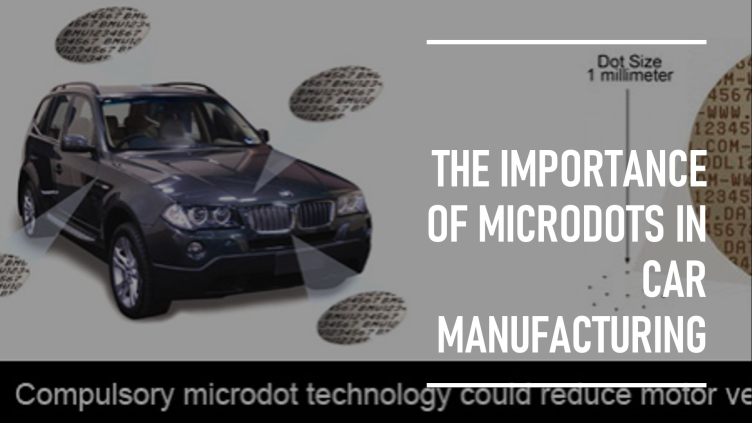
Stay tuned for regular updates on microdots—an innovative technology that remains largely under the radar across much of the globe. But it’s a game-changer, especially in the fight against professional car theft!

Microdots have already proven their worth by removing the financial incentive for car thieves. In Europe, stolen vehicles are frequently trafficked to Russia and African nations, or dismantled for parts. Fraudulent warranty claims on high-value components also contribute to the growing costs that insurance companies and law enforcement agencies are forced to shoulder. Just imagine: in Africa alone, Interpol dedicates countless man-hours to identifying stolen cars from Europe, reconnecting them with their owners, and returning them.

And here’s where things get even more critical—electric vehicles (EVs) bring a whole new set of challenges, with their abundance of high-value parts. The solution? Microdots. When installed by the original equipment manufacturer (OEM), they provide lifetime protection for the entire vehicle and its parts. Chinese EV makers can seize this opportunity to showcase their commitment to reducing costs for countries receiving their products—by protecting against theft, fraud, and unnecessary financial strain. This move could boost their reputation as responsible corporate citizens, and while it won’t remove tariffs, it sends a strong message of goodwill.

This strategy could even sway the European lobby groups advocating for affordable Chinese EV imports, given that local automakers can’t compete at those price points. If China responds by tightening its grip on the auto parts supply chain, Europe’s costs could skyrocket even further. The proof is in the numbers: over the past 12 years, countries like South Africa and Taiwan have seen remarkable success after making microdots mandatory.

As your expert in the ESG, automotive, and machinery sectors across Asia, I’m here to help. If you’d like to dive into the details of how microdots can safeguard your products, feel free to visit GTEC, send me an email, or give me a call!

Experts in the Automotive Industry Asia

You need one, but don`t want to hire one permanently?

Our solution: To rent our experts

  • On pay-to-use basis
  • Completely flexible
  • Contract can be cancelled any time

Clearly represented reports and dashboards inclusive!


What value does an interim manager bring to a company?

In the fast-paced and ever-evolving business world, interim managers play a crucial role in steering companies through transitions and challenges.

But what if there was a way to transform these obstacles into opportunities for growth and success?

Meet the interim manager – your trusted guide on this transformative journey.

Interim managers can bring a wealth of expertise and a fresh perspective to your organization. They are skilled at implementing effective strategies and documenting both input and output to ensure lasting impact.

As your guide, the interim manager will help you cross the threshold from uncertainty to clarity. They will dive deep into your company’s operations, identify critical areas for improvement, and execute strategies designed to drive immediate results.

Throughout this journey, the interim manager will tackle challenges head-on, document their strategies, and measure the outcomes. The trials faced and the solutions implemented will showcase the tangible value added to your organization.

At the end of their tenure, an interim manager doesn’t just leave behind a list of tasks completed; they leave behind a clear record of the progress made and the results achieved. This documented success is not only a testament to their effectiveness but also a valuable tool for the company going forward. It provides insights into what worked, what didn’t, and how future strategies can be refined for even greater success.

You’ll be equipped to lead your company forward with the knowledge and strategies gained during this transformative journey.

By embracing the expertise of an interim manager, you are not only overcoming immediate challenges…

But also setting your company up for long-term success.

Interim managers bring far more to a company than just temporary leadership. They deliver strategic value by implementing necessary changes and documenting the results, providing a roadmap for continued success. With an added value of up to six times their cost, the investment in an interim manager is one that can pay off significantly, helping your company navigate challenges, seize opportunities, and achieve lasting growth.

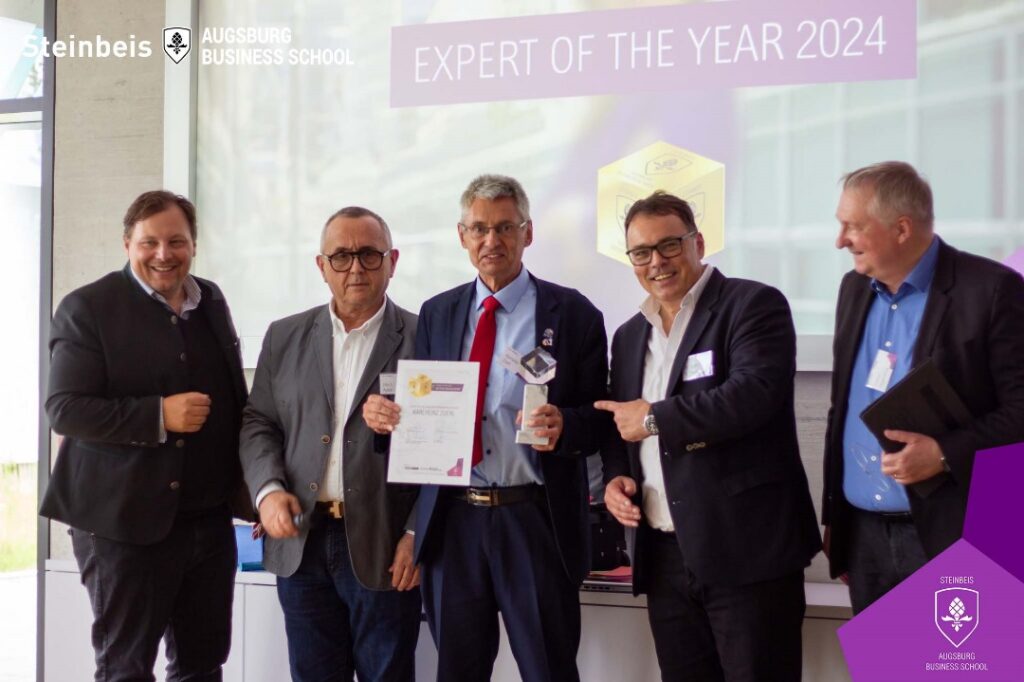
Expert of the Year 2024 in Interim Management, Karlheinz Zuerl

Are you ready to transform your company’s operations in Asia?

Asia’s education system, particularly in vocational training, often lacks the dual education framework familiar in other parts of the world.

The gap in practical knowledge can be startling.

For example, I’ve witnessed workers in workshops hammering on aluminum, only to be surprised by the resulting dents. This lack of basic technical understanding is a significant hurdle.

My Biggest Success in Asia: Building a “Learning Organization”

1. Establish In-House Academies

The first step to overcoming this challenge is to create a “learning organization” within the company.

Setting up an in-house academy allows employees to learn essential skills from one another.

This approach is cost-effective and fosters a culture of continuous improvement, where employees immediately apply new knowledge to their work.

2. Foster Enthusiasm for Education

When employees realize that knowledge is their personal wealth – something that cannot be taken away – they become enthusiastic learners.

This enthusiasm drives productivity and innovation, as employees are motivated to apply what they’ve learned.

The Entrepreneurial Leadership Approach

1. Lead from the Ground Up

Leading as an entrepreneur means more than just executing orders from headquarters.

It involves inspiring employees to take ownership and work collaboratively toward building a forward-moving company. This approach ensures that everyone is invested in the company’s success.

2. Implement an Internal Suggestion System

One of the most effective strategies I’ve used in Asia is the implementation of an internal suggestion system.

This system encourages employees to submit their ideas for improvement, fostering a culture of innovation.

Contrary to some headquarters’ concerns, this approach is neither costly nor risky. It can be implemented quickly and yield significant benefits.

3. Encouraging Employee Participation

By simply asking employees for their ideas – whether through a suggestion box or direct conversations – you tap into a valuable resource of creativity and problem-solving.

Rewarding employees for implemented ideas not only boosts morale but also drives the company forward with fresh, practical innovations.

Achieving Success Together ❤️

As an interim manager in Asia, your role is important in bridging the education and skills gap while fostering a collaborative, entrepreneurial spirit within the company.

The company is up and running!

Ready to lead your company to new heights in Asia?

Ask questions and get advice tailored to your situation!

For more information, please contact:

Karlheinz ZUERL – CEO of GTEC (German Technology & Engineering Cooperation)

E-Mail: contact@gtec.asia

Mobile: + 86 13482438080

Experts in the Automotive Industry Asia

You need one, but don`t want to hire one permanently?

Our solution: To rent our experts

  • On pay-to-use basis
  • Completely flexible
  • Contract can be cancelled any time

Clearly represented reports and dashboards inclusive!


What strategies from other industries could be valuable for the automotive sector to adopt?

Three significant strategies stand out: regionalization, multi-sourcing, and collaboration.

  • Regionalization: Establishing manufacturing facilities closer to key markets can help automotive companies manage risks related to tariffs, geopolitical tensions, and supply chain disruptions. This approach not only enhances business continuity but also brings added advantages like faster response to regional customer needs and a smaller carbon footprint.
  • Multi-sourcing: Engaging multiple suppliers for essential components boosts agility and resilience. This practice reduces the risk of production stoppages, minimizes recalls, enables competitive pricing, and shortens time-to-market. Although it may require initial investment and effort, the long-term benefits significantly outweigh the challenge.
  • Collaboration: Forming partnerships with suppliers and ecosystem players early in the product development process allows automakers to synchronize roadmaps, define key features, and ensure supply stability. This collaborative approach fosters innovation and allows for quicker adaptation to changing market demands.

Experts in the Automotive Industry Asia

You need one, but don`t want to hire one permanently?

Our solution: To rent our experts

  • On pay-to-use basis
  • Completely flexible
  • Contract can be cancelled any time

Clearly represented reports and dashboards inclusive!


China: Warum Deutschland aufwachen muss

China: Vom Rückstand zum Vorsprung!

Als ich 1993 zum ersten Mal nach China kam, war das Land in vielen Bereichen rund 150 Jahre hinter Deutschland. Heute? China hat uns in etlichen Belangen um 50 Jahre überholt. Klingt provokant? Vielleicht. Aber lassen Sie uns einen genaueren Blick darauf werfen.

„Das kann doch nicht sein!”

Sicher, diese Behauptung klingt wie das übliche „China-bashing”, um Aufmerksamkeit zu bekommen. Doch warum sollten wir uns die Augen reiben und einfach weiter abwarten? Gerade jetzt, wo Experten wie beispielsweise Interim Manager dringend benötigt werden, um Firmen in Europa, den USA und Asien aus der Krise zu führen, passiert… nichts. Stattdessen stecken viele Firmen den Kopf in den Sand und hoffen, dass alles einfach so wieder vorübergeht, wie es gekommen ist. Spoiler: Das wird es nicht!

„Wir müssen unsere eigenen Leute beschäftigen. Wir können doch nicht Entlassungen vornehmen und dann teure externe Experten holen”, lautet oft der Einwand des Betriebsrates. Doch das Problem: Wer so argumentiert, hat in der heutigen globalisierten Welt schlichtweg den Überblick verloren oder hofft mit dieser Argumentation wiedergewählt zu werden.

Chinas Blitzstart in die Zukunft

Wer sich etwas mit der chinesischen Geschichte auskennt, weiß: Der Aufstieg Chinas war unvermeidlich. Chinas Maschinenbau-, Automobil-, Flugzeug- und Mobilfunkindustrie expandiert in rasantem Tempo und erobert die Weltmärkte – oft mit technologisch fortschrittlicheren und preisgünstigeren Produkten als der Westen. Wer hätte vor 30 Jahren gedacht, dass Deutschland einmal seinen Titel als größter Maschinenbau-Exporteur an China verlieren würde?

Chinesische Firmen spielen ein ganz anderes Spiel als westliche Unternehmen. Sie nehmen kurz- und mittelfristige Verluste in Kauf, um langfristig Marktanteile zu erobern. Gleichzeitig bauen sie immense Produktionskapazitäten auf, bevor sie überhaupt den ersten Euro (oder Yuan) verdienen. Dazu kommt: Die chinesische Regierung sitzt direkt mit am Unternehmenslenkrad. Privatunternehmen? Die tanzen nach der Pfeife der Regierung, ob sie wollen oder nicht.

Der Westen im „Sandkasten-Modus”

Eine Geschichte aus meiner eigenen Praxis als Interim General Manager in China: Der Kunde wollte in China bestellen, aber das deutsche Hauptquartier bremste: „Wir können dort nicht produzieren, wegen unserer IP. Die Maschine, die wir für diese Produktion in Deutschland benötigen wird erst in einem Jahr geliefert, die Produktion und Qualitätskontrolle dauert dann nochmals ein Jahr bis alles in China ankommt.” Was passierte? Die Konkurrenz schnappte uns den Auftrag vor der Nase weg. Das Resultat: Ein verärgerter Kunde und wir schauten dumm aus der Wäsche.

Der Westen isoliert sich, während China sich die Hände reibt und munter in die Weltwirtschaft investiert. Präsident Xi hat vor Kurzem angekündigt, die Türen weiter zu öffnen, damit chinesische Firmen im Ausland erfolgreich werden können. Und sie tun es – mit Volldampf. Die „Belt and Road”-Initiative ist dabei nur ein Teil des Plans.

Vom Stolz der Chinesen und vom Branding-Debakel des Westens

Noch vor einigen Jahren galten westliche Produkte in China als das Nonplusultra. Heute? Die Chinesen kaufen lieber ihre eigenen Produkte – und das aus gutem Grund: Qualität, Preis und Technologie haben aufgeholt, oft sogar überholt. Chinas staatliche Unterstützung und Protektionismus tun ihr Übriges, um den nationalen Champions den Weg zu ebnen.

Und wir? Lamentieren weiter. Es ist Zeit, etwas zu ändern!

Was können wir tun?

Deutsche Exporteure sollten die Stärken hervorheben, die uns von der Konkurrenz abheben: Zuverlässigkeit, Langlebigkeit, Servicequalität. Nutzen wir unsere Innovationskraft, um technologische Führerschaft zu behaupten und neue Marktsegmente zu erobern. Es gibt keine Patentlösung – jede Firma muss ihre Strategie individuell anpassen, basierend auf einer gründlichen Analyse des chinesischen Wettbewerbs.

Ein Beispiel aus meiner Erfahrung: Während der Corona-Zeit verkauften wir Maschinen in China, obwohl wir 30% teurer waren als die chinesischen Mitbewerber. Warum? Unsere Präsentation zeigte technische und kommerzielle Vorteile auf, die sie nicht bieten konnten. Und als es an den Service ging, hatten wir eine Lösung, die die Konkurrenz einfach nicht bieten konnte: AR (Augmented Reality). Dadurch konnten wir auch während der Pandemie schnell reagieren, wenn irgendwo eine Maschine stehenblieb – ein entscheidender Vorteil.

Fazit: Aufwachen, mitmachen!

Wer jetzt noch auf der Seitenlinie steht, sollte schleunigst auf das Spielfeld wechseln. China wird weiter voranschreiten und der Westen muss mitziehen – oder wird abgehängt. Lassen Sie uns zusammenarbeiten und Lösungen finden, statt weiterhin die Hände in den Schoß zu legen.

Experts in the Automotive Industry Asia

You need one, but don`t want to hire one permanently?

Our solution: To rent our experts

  • On pay-to-use basis
  • Completely flexible
  • Contract can be cancelled any time

Clearly represented reports and dashboards inclusive!


Wenn einer eine Reise tut…

Matthias Claudius sagte einst: „Wenn einer eine Reise tut, so kann er was erleben.“ Und das Abenteuer beginnt oft schneller, als man denkt.

Karlheinz Zuerl

In Shanghai bin ich mal wieder in der Metro unterwegs, von meinem Büro zwei Stunden bis zum Flughafen Pudong. Ich vertreibe mir die Zeit mit Duolingo, um mein Chinesisch aufzufrischen. Am Flughafen angekommen, denke ich, meine GreenCard könnte mir die Sicherheitskontrolle erleichtern. Doch der Beamte hat andere Pläne – er mustert sie so lange, dass ich mich frage, ob ich nicht lieber den guten alten Reisepass hätte nehmen sollen.

Meine Agenten, Reborn und Belinda, lassen sich 30 Minuten Zeit, um endlich in der Lobby meines Hotels in Shenzhen aufzutauchen. Keine Netzabdeckung, keine Erreichbarkeit, nichts. Während ich auf sie warte, gönne ich mir eine Avocado und Mango – beide sorgfältig aus Thailand importiert.

Gestern hatte ich ein Mittagessen mit dem HR-Präsidenten und ein bedeutungsvolles Meeting mit dem Dekan einer Universität. Dieser hat für 500 Millionen RMB Maschinen angeschafft, die nun in der Ecke verstauben, da es an Studenten fehlt. Statt eines Ergebnisses ernte ich vorerst nur neugierige Blicke – man will mich erst kennenlernen, bevor es ans Eingemachte geht. KI-Ausbildung für die Lehrer? Klingt gut, aber noch ist alles in der Schwebe.

Nach einem Flug durch die Nacht lande ich in Deutschland, mit dem festen Plan, mich ein wenig zu erholen. Aber wie das Leben so spielt – es kommt anders.

Zeitraubende Gesundheitsuntersuchungen durchkreuzen meine Pläne. Das Ergebnis: Bis auf eine vergrößerte Prostata bin ich so fit wie ein Turnschuh.

Das Mietauto, das ich mir nehme, erweist sich als kostspielig, denn die Blitzgeräte lauern an den hinterhältigsten Stellen. Schließlich gebe ich den Wagen in Bamberg zurück – das war’s mit der Straßenromantik.

Meine Fahrten mit dem 49-Euro-Deutschland-Ticket sind preiswert, aber von Erholung keine Spur. Langsame Züge, unzählige Umstiege, Verspätungen und Zugausfälle – willkommen in der deutschen Realität. Doch die Deutschen nehmen es erstaunlich gelassen. Keine Beschwerden, keine Empörung. Nur ein Mitreisender bittet mich, das nervige Piepen meines Handys auszuschalten.

In Augsburg erhalte ich von Andreas und Max eine zweitägige Fortbildung in Künstlicher Intelligenz. In Mannheim genieße ich einen Kaffee mit Jochen, in Burghausen bei Wolfgang, in Wiesbaden mit Andreas im Biergarten, in Frankfurt Spargel mit Jürgen und in Würzburg ein köstliches Frühstück mit Peter.

Das tägliche Joggen durch die saftig grünen Hügel Deutschlands lasse ich mir nicht nehmen. Hasen und Rehe flüchten vor mir, während Mähdrescher das Getreide ernten und der Duft von frischem Heu in der Luft liegt. Diese Naturerlebnisse sind in Asiens Großstädten unvorstellbar.

Das Traktorentreffen in der Nachbargemeinde meiner Zentrale bietet nicht nur eine Parade historischer Fahrzeuge, sondern auch gute Gesellschaft. Musik, Tombola wo keiner verliert, dunkles Franken-Bier, Thüringer Bratwürste und hausgemachter Kuchen – das Dorfleben zeigt sich von seiner besten Seite.

Doch bevor ich mich ins Festzelt des Beikheimer Heimatfestes stürze, plane ich bereits meinen frühen Trip zum Münchner Flughafen.

Die Nacht davor schlafe ich kaum, bin aufgeregt, ob alles funktioniert wie geplant. Die Züge haben fast immer Verspätung, also steige ich in den ersten Regionalzug des Tages.

Ohne Frühstück, nur ein Becher Buttermilch aus dem Kühlschrank, den ich im Eiltempo ins Auto schleppe. Doch noch bevor ich es schaffe, rutscht der Becher aus meiner Hand und ergießt seinen Inhalt über den Boden, meine Schuhe und die Hose. Trotzdem erreiche ich den Zug – natürlich verspätet.

Mit Herzklopfen steige ich in Nürnberg um, und entgegen allen Befürchtungen erreiche ich rechtzeitig meinen Flug. Im Thai-Flieger strecke ich mich aus und schlafe tief und fest. Am nächsten Morgen steige ich in Bangkok um und lande zwei Stunden später pünktlich in meinem Büro in Chiang Mai, im Norden Thailands.

Die Regenzeit hat begonnen, die Luft ist klar und frisch, der Himmel ein tiefes Blau. Das große Schwimmbad und die nahen Berge drumherum gehören fast mir allein. Mein Interim-Management, Beratungs- und Trainingsgeschäft läuft jetzt vollständig online, mit einer Internetgeschwindigkeit, von der man in Deutschland und China nur träumen kann. Hier in Chiang Mai fühle ich mich angekommen, bereit für das nächste Abenteuer. Ich bin begeistert.

Experts in the Automotive Industry Asia

You need one, but don`t want to hire one permanently?

Our solution: To rent our experts

  • On pay-to-use basis
  • Completely flexible
  • Contract can be cancelled any time

Clearly represented reports and dashboards inclusive!


KI-Einführung: Erfolg durch hybride Teams in Unternehmen

Zwischen der KI-Euphorie in der Führungsetage und der Akzeptanz im Betriebsalltag bei der KI-Einführung klafft in der Regel eine große Diskrepanz. Diese Lücke können Unternehmen am besten durch hybride Teams aus KI-Kompetenzzentrum und Fachabteilung schließen.

KI-Einführung: Erfolg durch hybride Teams in Unternehmen

„Angesichts des Hypes um künstliche Intelligenz ernennen viele Unternehmen einen KI-Verantwortlichen auf Managementebene, um das vermeintlich wichtigste Thema unserer Zeit in den Betrieb zu bringen“, erklärt Karlheinz Zuerl, CEO der German Technology & Engineering Corporation (GTEC). Doch genau das hält er für einen Fehler: „Firmen können nur dann von KI-Einführung profitieren, wenn diese über die Breite der Belegschaft hinweg im Betrieb eingeführt wird.“ Diese Erfahrung hat Karlheinz Zuerl, der als Interim Manager 2024 von der Steinbeis Augsburg Business School und der Interim Manager-Community United Interim nominiert wurde, bei seinen zahlreichen Einsätzen als Führungskraft auf Zeit gemacht. 

Warum die KI-Einführung häufig scheitert

Er schildert die Betriebspraxis in vielen Unternehmen bei der KI-Einführung anschaulich: „In der Regel beginnt der Prozess damit, dass die Chefetage von den neuesten technologischen Entwicklungen erfährt, gefolgt von Teams, die der Unternehmensleitung optimistische, aber widersprüchliche Anwendungsfälle präsentieren. Angetrieben von der Begeisterung, aber ohne klare Richtung, überträgt die Topebene die Verantwortung an eine Person, die oft überfordert und unzureichend vorbereitet ist.“ 

Kompetenzzentrum etablieren statt KI-Papst

Karlheinz Zuerl ist überzeugt: „Es genügt nicht, einen vermeintlichen KI-Papst an der Spitze zu haben, sondern man braucht jemanden, der die Betriebsabläufe im Detail so gut kennt, dass er praxisnah abschätzen kann, wo sich KI im Unternehmen tatsächlich nützlich machen kann.“ Nach seinen Erfahrungen bei KI-Projekten kreist genau darum das Problem: „Das KI-Management ist in der Regel viel zu weit vom Betriebsalltag entfernt. Dies gilt nicht nur bei KI, sondern für viele Projekte, bei denen es um die Einführung einer neuen Technologie ins Unternehmen geht. Aber bei künstlicher Intelligenz klafft die Lücke zwischen der durch den KI-Hype entstandenen Euphorie und den häufig ernüchternden oder gar ausbleibenden Resultaten in der Organisation besonders weit auseinander.“

Als Abhilfe empfiehlt Karlheinz Zuerl die Einrichtung eines KI-Kompetenzzentrums, in dem Management und operatives Fachwissen zusammenkommen. Er präzisiert die Aufgabenverteilung: „Die betriebliche KI-Zentrale stellt Plattformen, Daten und Governance, also Regeln für den Umgang mit KI, bereit. Die Umsetzung in den verschiedenen Abteilungen erfolgt durch Teams aus dem jeweiligen Fachbereich, bei denen auch die Verantwortung für diesen Prozess liegt.“ 

Bei künstlicher Intelligenz klafft die Lücke zwischen der durch den KI-Hype entstandenen Euphorie und den häufig ernüchternden oder gar ausbleibenden Resultaten in der Organisation weit auseinander.

KI-Projekte: großspurig aufgesetzt, kleinlaut beerdigt

Als entscheidenden Vorteil der hybriden KI-Einführung nennt der CEO von GTEC, dass die Innovationen dadurch auf breiter Front Einzug in die Organisation hielten und ein fester Bestandteil des Betriebsalltags würden. Beim üblichen, aber weniger erfolgversprechenden Top-down-Ansatz hingegen sei die Gefahr groß, dass „Projekte großspurig aufgesetzt und einige Monate oder Jahre später kleinlaut beerdigt werden, ohne dass eine nennenswerte Spur in der Organisation übrigbleibt.“  

Häufig verlasse der vom mangelnden Projektfortschritt frustrierte KI-Papst nach einiger Zeit das Unternehmen. Die Zurückgebliebenen litten nicht nur unter der dadurch verursachten Enttäuschung, sondern entwickelten darüber hinaus eine langanhaltende Skepsis gegenüber künftigen Innovationen.

Bei KI-Einführung Mitarbeiter mitnehmen

„Je häufiger Management und Belegschaft erleben müssen, wie Innovationsprojekte in den Sand gesetzt werden, desto größer wird das Misstrauen gegenüber allen Innovationen“, ist Karlheinz Zuerl überzeugt. Die Folgen für die Firmenkultur seien in der Regel fatal: „Weite Teile der Beschäftigten lehnen jedwede Veränderung im Betrieb von vornherein ab, weil sie schon zu oft erlebt haben, wie sich der Papst von heute zur persona non grata von morgen gewandelt hat. Bei der KI-Einführung im Top-down-Modus sei die Gefahr einer Wiederholung dieses Szenarios sehr groß.“

Karlheinz Zuerl
ist CEO der German Technology & Engineering Corporation (GTEC). Die Gesellschaft unterstützt westliche Industrieunternehmen, Herausforderungen in asiatischen Ländern zu bewältigen. Der Schwerpunkt liegt dabei auf der Geschäftsentwicklung, dem Aufbau von Niederlassung

For more information, please contact:

Karlheinz ZUERL – CEO of GTEC (German Technology & Engineering Cooperation)

E-Mail: contact@gtec.asia

Mobile: + 86 13482438080

Experts in the Automotive Industry Asia

You need one, but don`t want to hire one permanently?

Our solution: To rent our experts

  • On pay-to-use basis
  • Completely flexible
  • Contract can be cancelled any time

Clearly represented reports and dashboards inclusive!