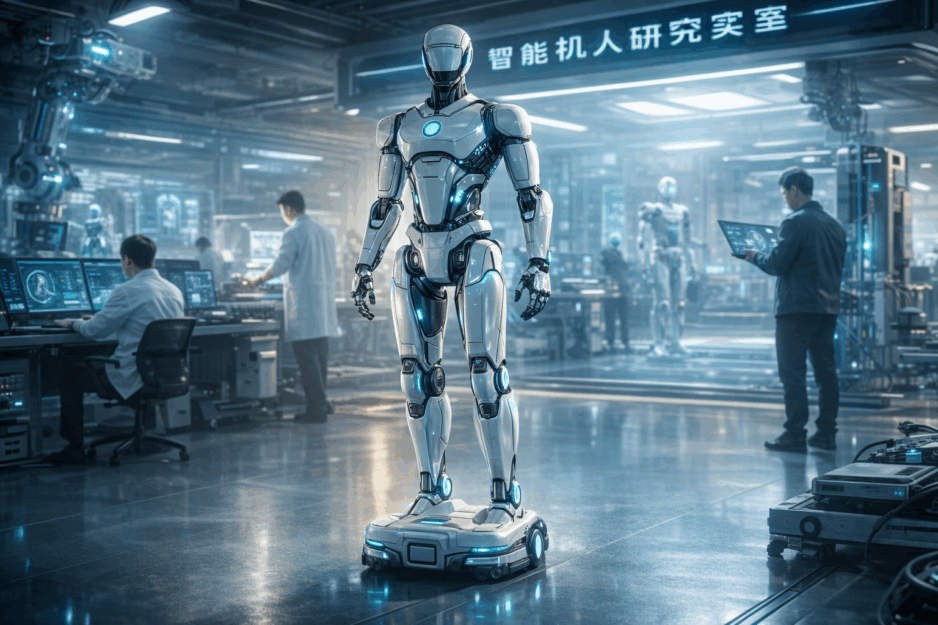
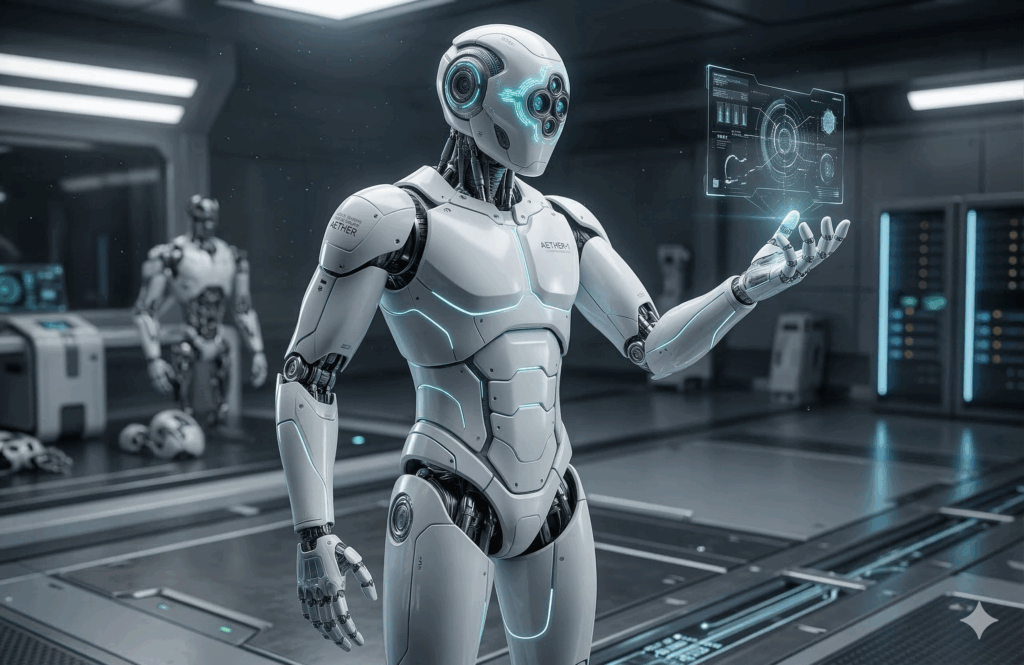
AI is facing a problem that has little to do with algorithms. It needs enormous amounts of electricity.
As AI models and data centers scale, the real bottleneck may increasingly become power generation. Building enough power plants, transformers, grid connections and supporting infrastructure on Earth is extremely difficult, and slow. So what if the next generation of AI infrastructure moves into space?
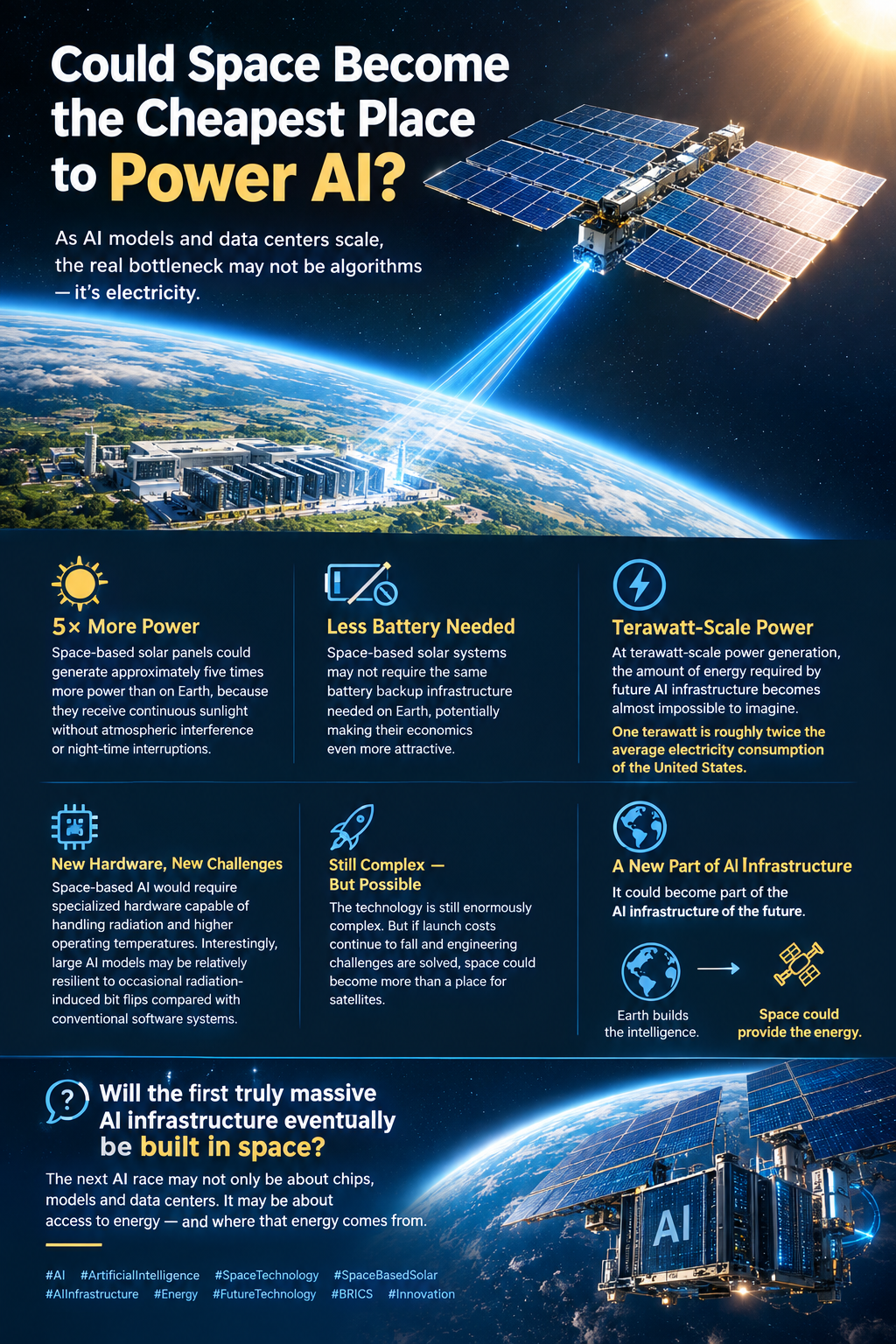
☀️ Space-based solar power could change the equation. According to the perspective shared by BRICS Project Network, solar panels in space could generate approximately five times more power than on Earth, because they receive continuous sunlight without atmospheric interference or night-time interruptions.
And there is another potential advantage: Space-based solar systems may not require the same battery backup infrastructure needed on Earth, potentially making their economics even more attractive. The discussion goes further.
At terawatt-scale power generation, the amount of energy required by future AI infrastructure becomes almost impossible to imagine. One terawatt is roughly twice the average electricity consumption of the United States mentioned in the source discussion. That raises a fascinating question:
Will Earth have enough power to support the AI hardware we are producing? The answer may eventually depend not only on better chips, but on where we generate the electricity that powers them.
Space-based AI would also require specialized hardware capable of handling radiation and higher operating temperatures. Interestingly, large AI models may be relatively resilient to occasional radiation-induced bit flips compared with conventional software systems. The technology is still enormously complex.
But if launch costs continue to fall and engineering challenges are solved, space could become more than a place for satellites. It could become part of the AI infrastructure of the future.
🌍 Earth builds the intelligence. 🚀 Space could provide the energy.
The next AI race may not only be about chips, models and data centers. It may be about access to energy, and where that energy comes from. What do you think: Will the first truly massive AI infrastructure eventually be built in space?
Karlheinz Zuerl
The System Doctor for your Profit Growth in Europe and BRICS+ countries
CEO of GTEC (German Technology and Engineering Cooperation)
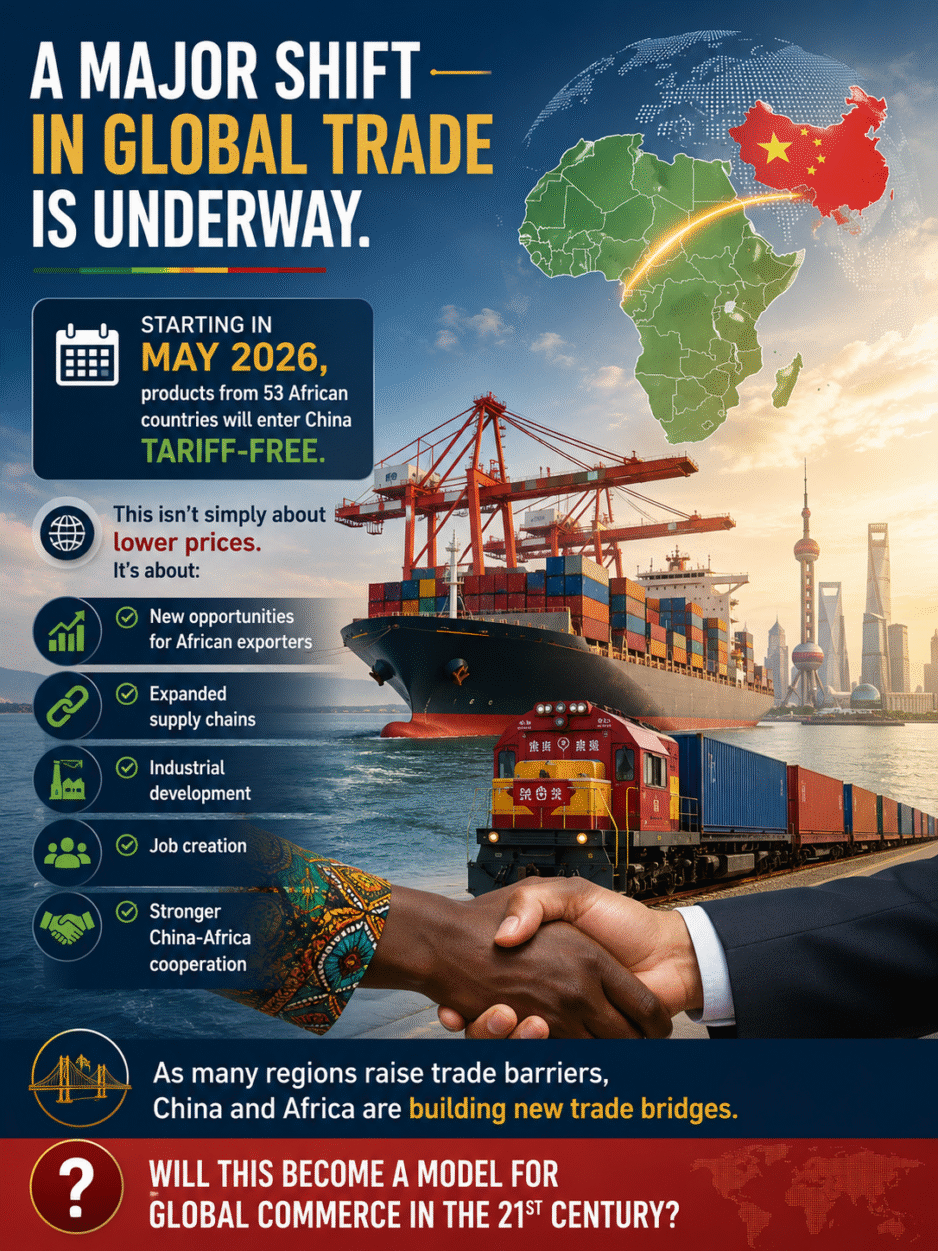
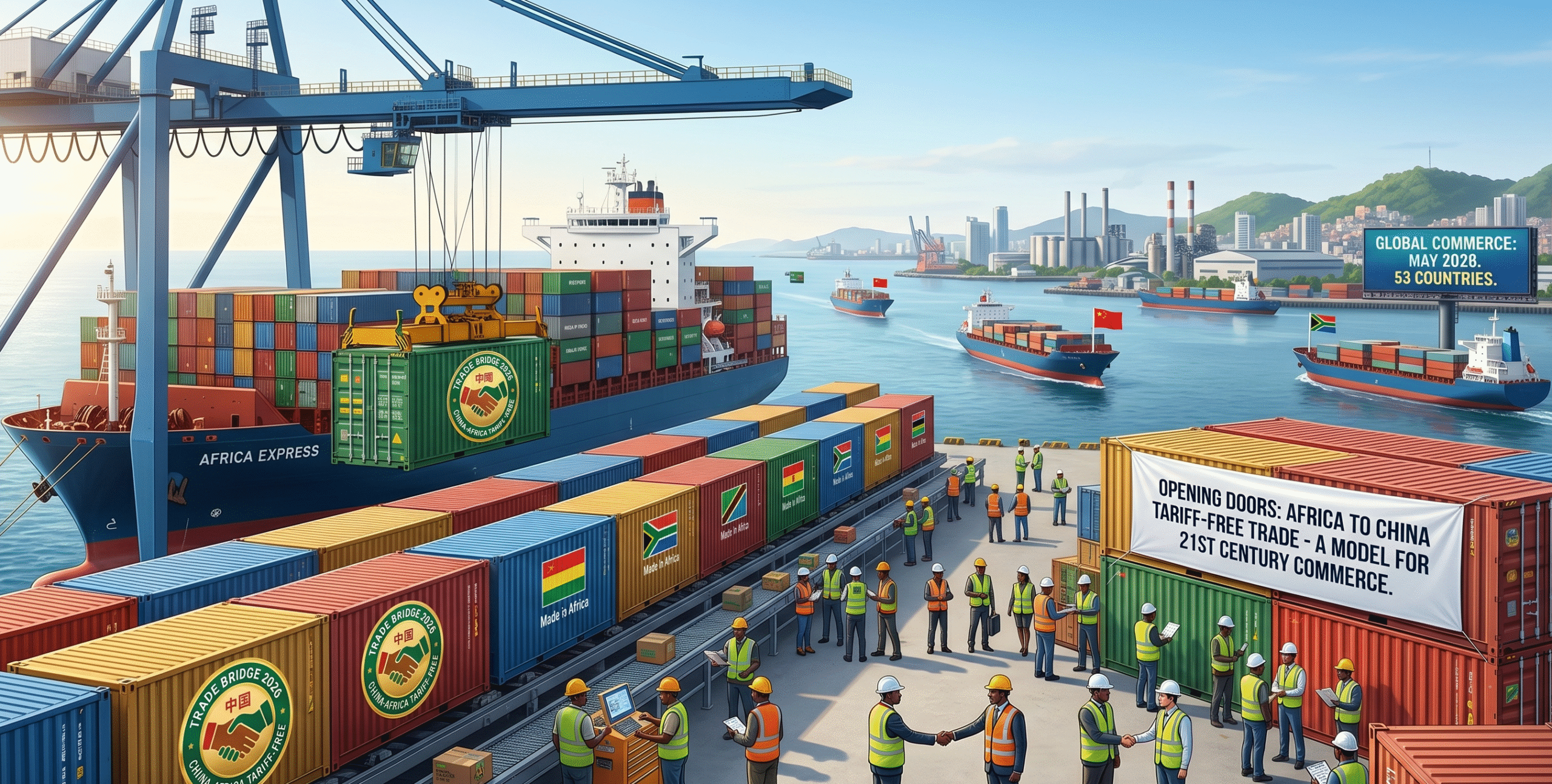
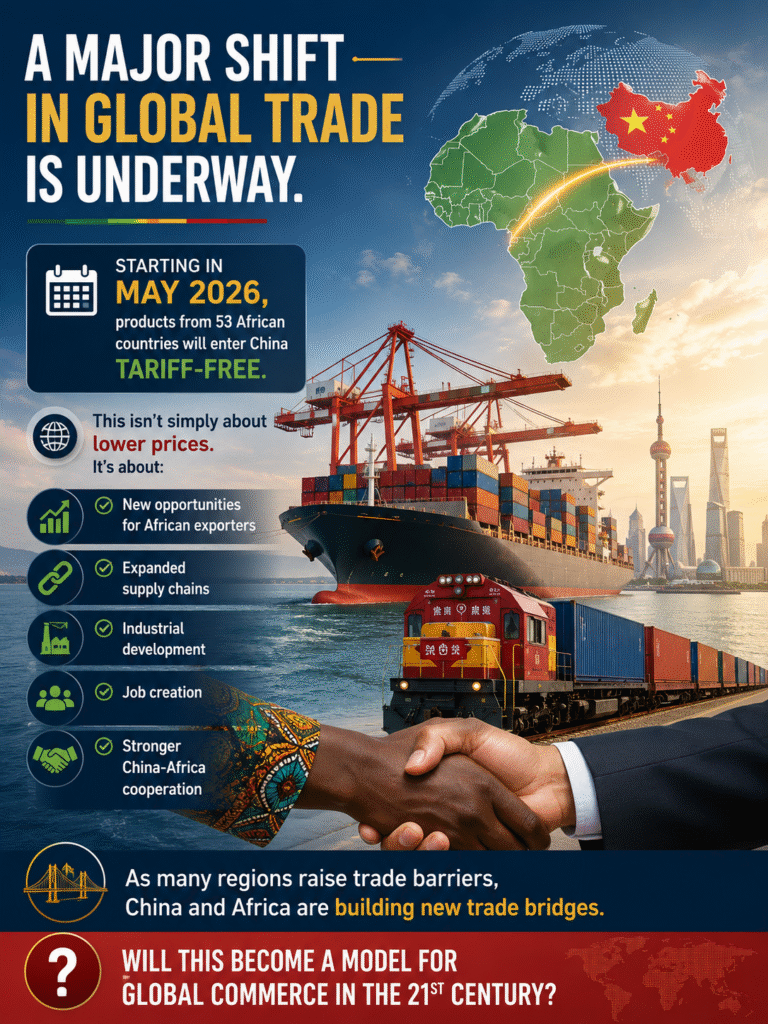
At a time when many nations are strengthening trade barriers and pursuing protectionist policies, a remarkable shift is taking place between China and Africa. Beginning in May 2026, products from 53 African countries will be able to enter China with zero tariffs, marking one of the most significant trade liberalization initiatives in recent decades.
This policy is more than a simple reduction of import duties. It represents a strategic effort to deepen economic cooperation, strengthen supply chains, encourage industrial development, and create new opportunities for both African producers and Chinese consumers. More importantly, it may provide a blueprint for how international trade can evolve in an increasingly interconnected yet uncertain world.
As global businesses search for resilient supply chains and new growth markets, the China-Africa trade partnership is attracting growing attention from economists, investors, policymakers, and business leaders alike.
Africa’s Untapped Agricultural Potential
One of the most compelling aspects of this initiative is the enormous agricultural potential that exists across the African continent.
Many African countries possess ideal climates, fertile land, and abundant natural resources that support the production of high-quality agricultural products. From Kenya’s avocados and Tanzania’s sesame seeds to Uganda’s coffee and West Africa’s tropical fruits, the continent produces a vast range of commodities that are highly sought after in international markets.
Yet for many years, significant tariffs and trade barriers limited access to major consumer markets. While local producers could generate substantial quantities of agricultural products, reaching large international buyers often proved difficult and expensive.
The new zero-tariff framework changes this equation dramatically.
By removing import duties, African exporters gain a significant competitive advantage when entering one of the world’s largest consumer markets. Products that were previously burdened by tariffs can now reach Chinese consumers at more attractive prices, creating new opportunities for farmers, cooperatives, processors, and exporters throughout Africa.
For consumers in China, the result will be greater product diversity and access to a wider selection of high-quality goods. For African producers, it opens the door to unprecedented market expansion.
A Long-Term Strategy Decades in the Making
While the May 2026 policy announcement has captured international headlines, the initiative is actually the culmination of a much longer process.
China’s preferential trade policies toward African nations began decades ago. Over time, tariff reductions gradually expanded to cover larger categories of products and a growing number of participating countries.
A major milestone occurred in 2024 when China introduced 100 percent tariff-free treatment for products originating from 33 of Africa’s least-developed nations. The economic impact was immediate and measurable.
Imports from these participating countries experienced strong growth, particularly within agricultural sectors. Coffee exports increased substantially, cocoa shipments surged, and several African economies experienced improved access to international markets.
The positive outcomes of these earlier initiatives provided a strong foundation for the broader expansion now scheduled for 2026.
Rather than being an isolated policy decision, the new framework reflects a long-term strategic vision focused on deeper economic integration between China and Africa.
Moving Beyond Raw Materials
Perhaps the most important aspect of the initiative is that it extends beyond simply exporting raw commodities.
Historically, many developing economies have relied heavily on exporting unprocessed raw materials while importing higher-value manufactured products. This model often limits economic growth and reduces opportunities for industrial development.
The new trade framework creates incentives for a different approach.
Because processed goods can also benefit from tariff-free access, businesses have stronger reasons to invest in local manufacturing and value-added production within African countries.
For example, rather than exporting raw sesame seeds, companies can establish processing facilities that produce sesame oil. Instead of shipping raw agricultural commodities, local industries can develop packaging, food processing, and manufacturing capabilities that create additional value before products reach international markets.
This transition from raw material exports to value-added production has the potential to generate several benefits:
Increased employment opportunities
Higher wages and skill development
Technology transfer
Stronger local industries
Greater economic resilience
For African economies seeking long-term industrialization, these developments may prove even more important than the tariff reductions themselves.
Demographics Driving Future Growth
Another key factor behind the growing importance of Africa is its demographic profile.
Africa is currently the youngest continent in the world. Approximately 60 percent of its population is under the age of 25, creating one of the largest emerging workforces globally.
This youthful population represents both an opportunity and a challenge.
On one hand, millions of young people are entering the labor market each year, creating significant demand for jobs, education, and economic opportunity. On the other hand, countries must generate sufficient industrial growth and investment to absorb this expanding workforce.
The China-Africa partnership addresses this challenge by connecting investment capital, manufacturing expertise, and market access with Africa’s growing labor force.
Beyond traditional industries, cooperation is also expanding into technology, telecommunications, digital payments, e-commerce, and infrastructure development.
Chinese companies operating across Africa are increasingly building local ecosystems that include distribution networks, digital platforms, financial services, and manufacturing facilities. These investments contribute not only to economic growth but also to the development of broader business capabilities across the continent.
Strengthening Global Supply Chains
The global disruptions of recent years have highlighted the importance of supply chain resilience.
Businesses worldwide have faced challenges ranging from geopolitical tensions and trade disputes to logistics bottlenecks and supply shortages. As a result, organizations are increasingly seeking diversified sourcing strategies and alternative supply networks.
The China-Africa trade initiative aligns closely with this objective.
By strengthening commercial links with African producers, China gains access to a broader range of agricultural products, raw materials, and manufactured goods. This diversification reduces dependence on a limited number of suppliers and enhances long-term supply chain security.
Although China is expected to forgo approximately $1.4 billion in short-term tariff revenue, many analysts view this as a strategic investment rather than a financial loss.
The long-term benefits of stronger trade relationships, diversified imports, and more resilient supply chains may significantly outweigh the immediate reduction in customs revenue.
In an increasingly uncertain global environment, resilience has become a critical competitive advantage.
Challenges That Still Remain
Despite the enormous opportunities created by tariff-free access, important challenges remain for African exporters.
Market access alone does not guarantee commercial success.
To fully capitalize on these opportunities, businesses must address several key obstacles:
Scaling Production
Many African producers operate on a relatively small scale. Meeting the demands of a market with more than 1.4 billion consumers requires substantial increases in production capacity.
Infrastructure Development
Efficient transportation networks, ports, logistics systems, and energy infrastructure are essential for supporting export growth.
Quality Standards
Exporters must comply with increasingly rigorous quality, packaging, safety, and regulatory requirements.
Supply Chain Transparency
International buyers increasingly require traceability systems that verify product origin, quality, and sustainability standards.
Workforce Development
Continued investment in education, training, and technical skills will be necessary to support industrial expansion.
Addressing these challenges will require cooperation among governments, businesses, investors, and development organizations.
A Potential Blueprint for the Future
The significance of China’s zero-tariff initiative extends far beyond bilateral trade statistics.
At a time when many economies are becoming more inward-looking, this policy represents a different vision—one built on openness, cooperation, and long-term economic partnership.
By lowering barriers and encouraging industrial development, the initiative creates opportunities for both sides. African nations gain improved access to one of the world’s largest markets, while China strengthens its supply chains and expands economic relationships with one of the fastest-growing regions on the planet.
Whether this model ultimately becomes a blueprint for global trade remains to be seen. However, its impact will likely be felt across industries ranging from agriculture and manufacturing to technology and logistics.
For business leaders, investors, and policymakers, the message is clear: Africa’s role in global commerce is expanding rapidly, and the China-Africa partnership may become one of the defining economic relationships of the 21st century.
As these new trade flows begin to reshape markets, supply chains, and industries, organizations that understand and engage with this transformation early will be best positioned to capture the opportunities that lie ahead.
Karlheinz Zuerl
The System Doctor for your Profit Growth in Europe and BRICS+ countries
CEO of GTEC (German Technology and Engineering Cooperation)
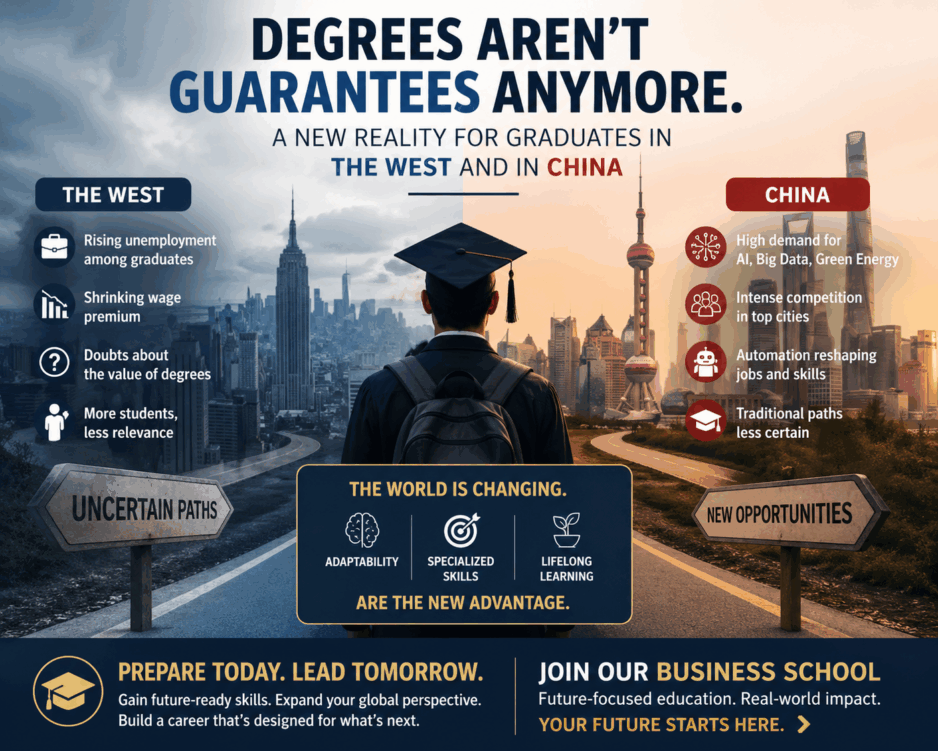
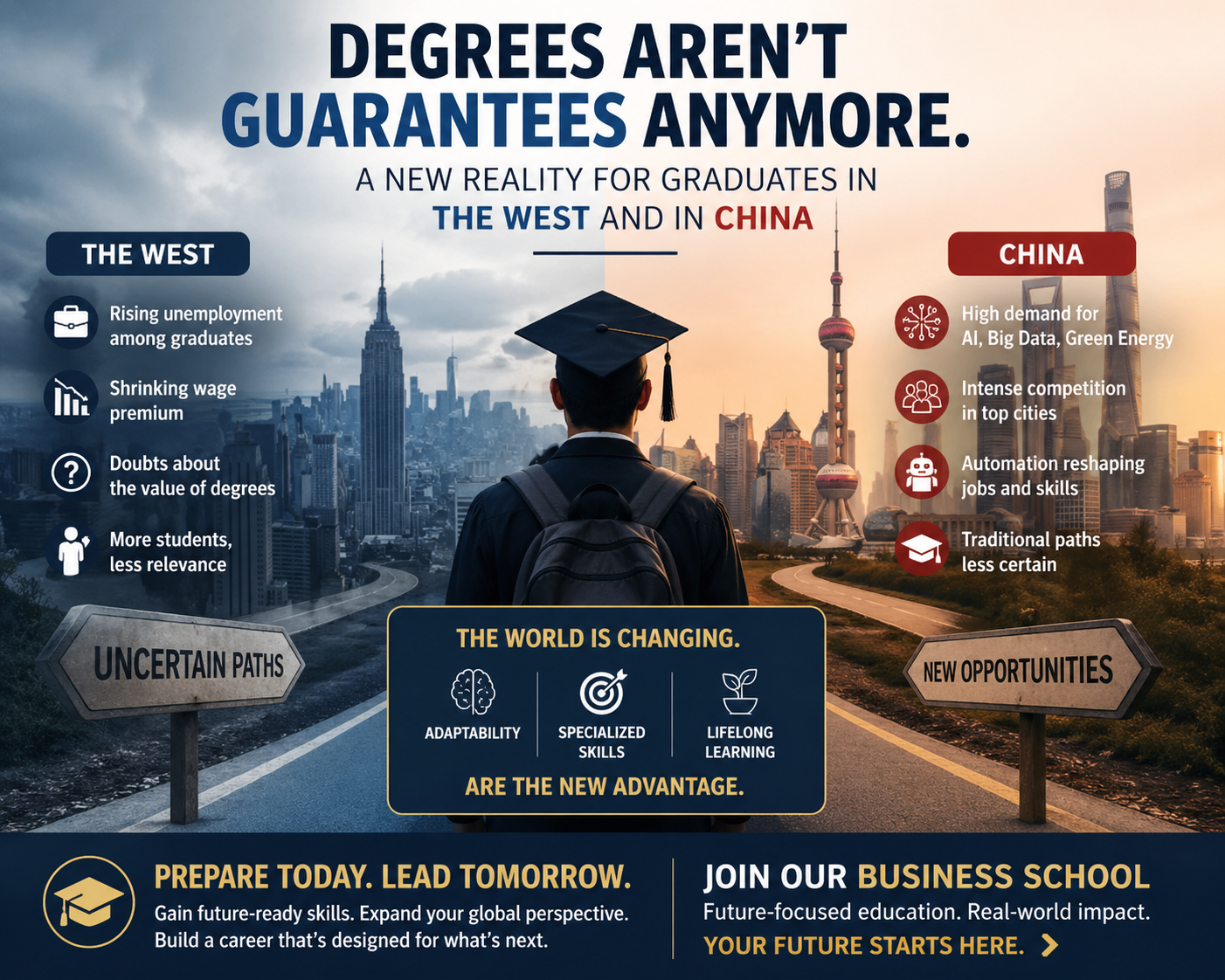
A university degree is no longer a guaranteed ticket to success, whether in the West or in China.
Across Western economies, graduates are facing rising unemployment, declining wage premiums, and growing doubts about the return on their education. Many are discovering that a degree alone no longer ensures career security or upward mobility.
China is seeing a similar shift. While opportunities remain strong in areas like AI, big data, and green energy, competition is intense, especially in major cities. Traditional career paths are becoming less predictable, and automation is reshaping the value of many roles.
The lesson is clear:
The old formula: study hard, earn a degree, secure a stable career; is fading. In today’s economy, adaptability, specialized skills, and lifelong learning matter more than ever. Success now belongs not to those who simply follow the traditional path, but to those who are ready to evolve with the world.
If you’re looking to build future-ready skills, expand your global perspective, and prepare for the realities of tomorrow’s economy, now is the time to invest in the right education. Join us and take the next step toward a career designed for the future.
Karlheinz Zuerl
The System Doctor for your Profit Growth in Europe and BRICS+ countries
CEO of GTEC (German Technology and Engineering Cooperation)
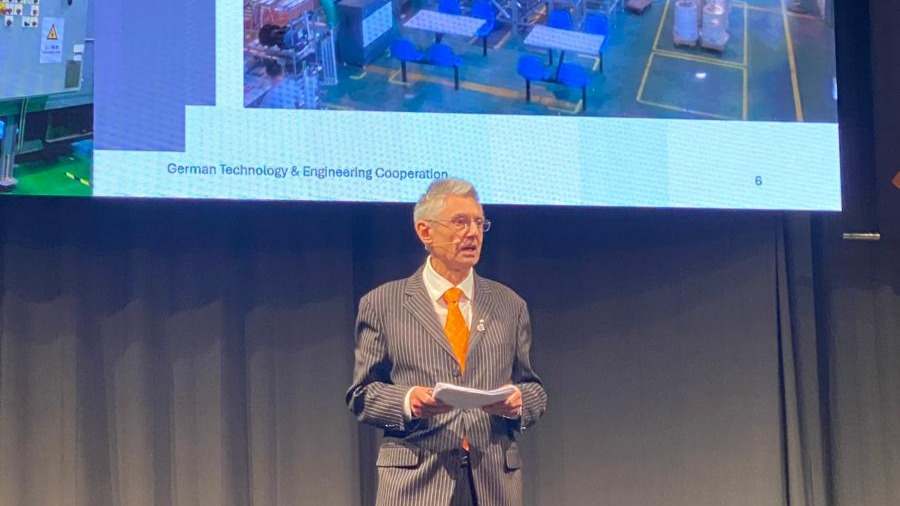
My speech and presentation at LATC2026 in Mannheim. Lean freaks heard how out-of-the-box solutions were transforming the shop floor in China. With HQ, HR, customers, suppliers, government, and employees, we created real success stories. Inspiration, innovation, and measurable results – a conclusion to the 10th Lean Around the Clock, which shows how Lean works worldwide.
GTEC with the BRICS Project Network offers you the unique opportunity to present your products and services to a broad and relevant target group in Asia and BRICS countries. With our professionals and managers who deal daily with topics such as business process organization, Lean, Agile, Kaizen, Scrum, Leadership, and Continuous Improvement, you will be part of the largest network community in this field.
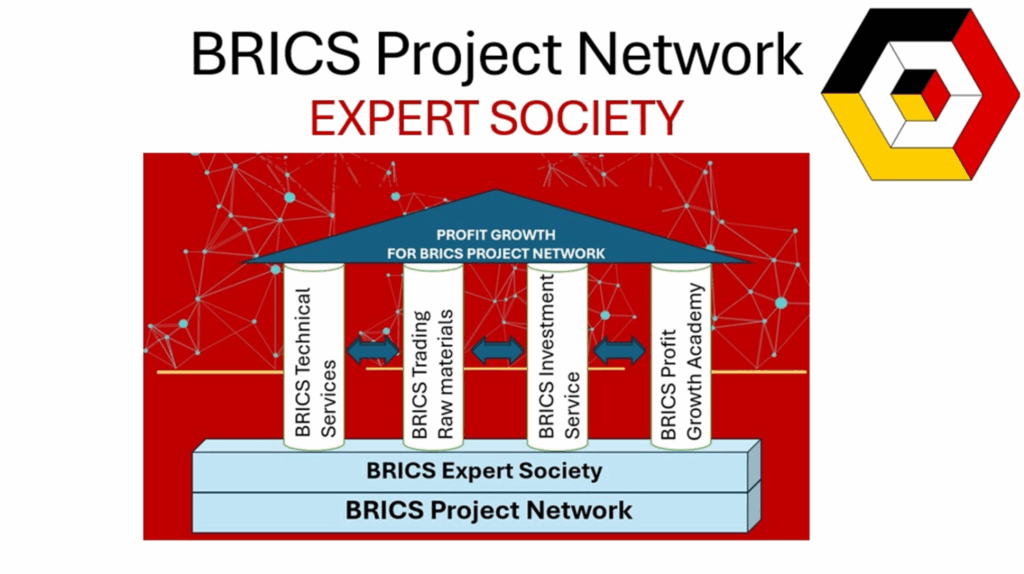
BRICS Project Network is based on four columns with value for your company, if an expert, a freelancer, or OEM. If you are interested in to learn more about your profit growth and realizing it in a short time, please don´t hesitate to contact me at contact@gtec.asia
Karlheinz Zuerl
The System Doctor for your Profit Growth in Europe and BRICS+ countries
CEO of GTEC (German Technology and Engineering Cooperation)
Lean production is a management philosophy focused on maximizing customer value by systematically eliminating waste (“muda”) and reducing inefficiencies throughout the entire production process.
Originating from the Toyota Production System, it emphasizes continuous improvement (Kaizen), high-quality standards, reduced inventory, and just-in-time delivery to increase efficiency and responsiveness.
Key aspects of using LEANFLOW AI approach:
Waste Elimination: Targets 8 types of waste: defects, overproduction, waiting, unused talent, transportation, inventory, motion, and extra-processing.
Value Addition: Focuses solely on actions that add value from the customer’s perspective.
Continuous Improvement (Kaizen): A long-term approach where all employees seek small, incremental improvements to processes.
Core Methodologies: Utilizes tools like Just-in-Time (JIT), 5S (Sort, Set in order, Shine, Standardize, Sustain), Kanban, and Value Stream Mapping (VSM).
Core Principles: Defines value, maps the value stream, creates flow, establishes pull systems, and seeks perfection.
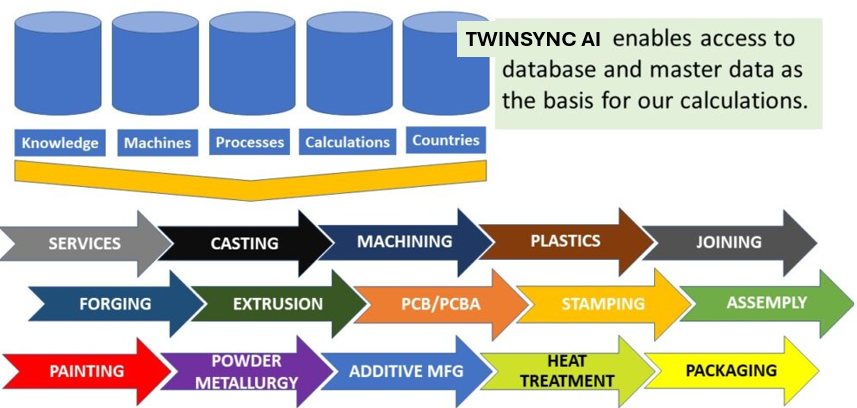
A digital twin is a dynamic virtual representation of a process or system that acts as its real-time digital counterpart.
The primary purpose of TWIN SYNC AI is to leverage data to enhance, predict, and optimize, often calculate manufacturing costs, purchasing costs, define real sales prices, reduce maintenance costs, and increase operational efficiency.
TWIN SYNC AI is a System/Process Twin: It is modelling complex systems, such as a factory or an entire supply chain.
With our TWIN SYNC AI, you can simulate & analyze: Users can run simulations to test scenarios (e.g., “what-if” analyses) without interrupting real-world operations, reducing risks and costs.
You’ll have the following advantages using TwinSync AI:
Savings in business process cost reduction
Build up a learning organization with supply-chain-related training and workshops
Savings in relocations/ increase localization content (if possible)
Savings in the purchasing of raw material
Savings in logistics (bundling, transportation)
Savings from pooling with your company plants or external partners
Savings from contracts
Savings in non-production material
Cost control
Karlheinz Zuerl
The System Doctor for your Profit Growth in BRICS+ countries
Partner of ESG-Lotsen.com (PM, Interim Management Service)
Partner of BRICS+ Project Network (PM, Interim Management Provider Service)
CEO of GTEC (German Technology & Engineering Cooperation) with GTEC Profit Growth Academy and GTEC-Shop
Office Hongkong: Kowloon (Cell: +86 13482438080)
Office Thailand: Chiang Mai (Cell: +66 636780790)
Partner offices are in Can Tho (Vietnam), Bangalore (India), Dubai (UAE), Moscow (Russia), São Paulo (Brazil), and Shenzhen (China).
Supply chain teams spend 30-60 minutes per complex query searching multiple systems for product specs, pricing, shipping rates, and compliance info. With 10+ queries daily, this creates bottlenecks, slow customer responses, and employee frustration doing repetitive work.
2. THE SOLUTION
AI answers complex queries in 2-3 minutes, including product availability, pricing calculations, shipping options, and compliance checks – all with source citations. Demo video shows the real system answering a multi-part question about product fulfillment to France with a complete cost breakdown and regulatory requirements.
3. BUSINESS IMPACT
For a team handling 10 queries daily, AI saves 6-7 hours per day (freed capacity for strategic work). Implementation costs are low with positive ROI typically within 3-6 months, plus competitive advantages from faster customer response times.
4. SECURITY & DATA PRIVACY
Data is encrypted at rest and in transit with multiple deployment options: cloud (fast, certified security), hybrid (data on-premises), or full on-premises (maximum control). Major cloud providers have dedicated security teams and certifications that most companies can’t match in-house.
5. GRADUAL IMPLEMENTATION
Start with a 4–6-week pilot (one department, limited documents, 3-5 users) to prove value with measurable results. Only expand to Phase 2 if pilot is successful – no “big bang” disruption, clear decision points at each phase.
6. MARKET CONTEXT
AI adoption in the supply chain is growing as technology matures and companies see real operational benefits. Early adopters gain competitive advantages through faster response times and better service quality.
7. NEXT STEPS
Free 30-minute consultation to discuss specific needs, followed by a custom pilot proposal if interested. Pilot includes clear success metrics and a decision point after 4-6 weeks – scale if successful or end if not meeting goals.
Key Messages Throughout
Challenge: Significant time spent on repetitive information hunting
Solution: AI answers complex queries in seconds with verification
Practical: Faster response, more capacity, better service
Secure: Multiple deployment options for different needs
Low risk: Prove value in pilot before committing
Timely: Technology maturing, early advantages available
Karlheinz Zuerl
The System Doctor for your Profit Growth in BRICS+ countries
Partner of ESG-Lotsen.com (PM, Interim Management Service)
Partner of BRICS+ Project Network (PM, Interim Management Provider Service)
CEO of GTEC (German Technology & Engineering Cooperation) with GTEC Profit Growth Academy and GTEC-Shop
Office Hongkong: Kowloon (Cell: +86 13482438080)
Office Thailand: Chiang Mai (Cell: +66 636780790)
Partner offices are in Can Tho (Vietnam), Bangalore (India), Dubai (UAE), Moscow (Russia), São Paulo (Brazil), and Shenzhen (China).
For months, Elon Musk has been telling investors that the Tesla Optimus could revolutionize the global economy and create an entirely new mega-industry. Yet Musk has also repeatedly warned that the largest share of this emerging market could ultimately belong to China.
“China is an ass kicker, next level,” Musk said in January. “To the best of our knowledge, we don’t see any significant humanoid-robot competitors outside of China.”
A Rapidly Expanding Industry
China is moving quickly to position itself as the global leader in humanoid robotics. Startups and robotics companies are emerging across the country—from Shenzhen to Suzhou—with more than 140 firms now developing humanoid robots.
Leveraging an extensive network of parts suppliers and a deep pool of engineering talent, Chinese companies are beginning to scale up production and test humanoid robots in real-world environments. These machines are already appearing in factories, hotels, and office buildings, where they assist with logistics, customer interaction, and routine tasks.
Behind this rapid expansion is a strong push from Beijing. The Chinese government has identified “embodied AI”—the integration of artificial intelligence with physical robotic systems—as a strategic technology it aims to dominate within the next five years.
Massive Government Support
Government backing is playing a central role in accelerating the industry. Local authorities are offering companies land, discounted office space, and financial incentives, while banks are providing favorable loan terms.
Since late 2024, major cities including Beijing and Shenzhen have created investment funds totaling more than $26 billion to support humanoid-robot development, according to estimates from Morgan Stanley.
State institutions are also helping build an early market. Government agencies and state-owned enterprises are purchasing humanoid robots and deploying them in public spaces such as museums and events. Some robots have even appeared on city streets acting as “robocops,” assisting with traffic management.
These early deployments serve two important purposes: they help companies generate revenue while also collecting valuable operational data that can improve the robots’ performance.
To encourage adoption, some local governments are subsidizing purchases by covering around 10% of the cost of humanoid robots.
A Familiar Industrial Strategy
China’s approach mirrors the strategy it previously used to build other advanced industries, particularly electric vehicles.
Over the past decade, government incentives for buyers and manufacturers helped China develop one of the world’s most competitive EV sectors. Chinese automakers now dominate the domestic market and are rapidly expanding overseas, challenging established brands such as General Motors and Volkswagen in markets across China, Europe, and beyond.
According to Sunny Cheung, China is applying a similar formula to humanoid robotics.
“China is once again mobilizing state support, supply-chain depth, and rapid commercialization to build a new strategic sector,” he said.
However, the ultimate winner will likely depend on who can solve the complex technical challenges involved in building capable humanoid robots.
Early Days—and Plenty of Skepticism
Despite the momentum, the humanoid-robot industry remains in its infancy. It could take many years before robots become widely deployed—if they do at all.
Some skeptics argue that humanoid robots may be little more than a technology bubble, questioning whether they will ever find practical and economically viable use cases.
China’s push has also been accompanied by considerable hype. A recent 13-mile humanoid robot marathon showcased both the promise and the limitations of the technology. One robot managed to finish the race in under three hours—with human assistance—while several others stopped mid-course or refused to move altogether.
Growing Concern in the United States
Even so, China’s rapid progress is raising concerns among policymakers and technology leaders in the United States. The White House is reportedly working on an executive order aimed at strengthening the American robotics industry.
One major concern is the possibility that U.S. robotics companies could become dependent on China’s manufacturing ecosystem. Even Tesla’s Optimus robot is expected to rely on Chinese suppliers for key components such as roller screws. As the race to build advanced humanoid robots intensifies, the competition may ultimately hinge not only on technological breakthroughs—but also on control of global supply chains and industrial scale.
Karlheinz Zuerl
The System Doctor for your Profit Growth in Europe and BRICS+ countries
CEO of GTEC (German Technology and Engineering Cooperation)
GTEC (German Technology and Engineering Cooperation) has supported Western companies in Asia since 2005. Mostly in automotive, machinery, environmental technologies, business development, profitable investments, and management. Now, for the first time in history, we put all our knowledge and skills into our GTEC Profit Growth Academy.
As you cannot eat an elephant in one step, let us break down our insider knowledge into small pieces for easy digestion. Advantages for you:
Find the best investments for you in hidden job offers in the market
Find the best information for you in hidden profit growth strategies
Find the best companies and products for your supply chain challenges
If you want to get all the newsletters of this series, please write an email to contact@gtec.asia.
Adapt to the new trends in mobility in Asia
Trend 1 of 5: LFP Cells on the Rise
LFP stands for lithium‑iron‑phosphate — a battery chemistry that has rapidly become a serious challenger to the former standard, NMC (nickel‑manganese‑cobalt). In China, more LFP cells are already being produced than NMC for domestic cars, and manufacturers like VW and Mercedes plan to use LFP in their smaller models.
Cheaper: LFP cells cost less to make because they avoid expensive, scarce heavy metals.
More robust and safer: LFP is thermally stable, which reduces the risk of fires.
Lower energy density: LFP operates at a slightly lower voltage, so it stores less energy per volume than some NMC cells.
Charging behavior: Traditionally, LFP charges more slowly than some NMC chemistries — but manufacturers are working hard to close that gap.
How CATL is improving LFP:
CATL is doubling down on LFP and aims to significantly speed up charging. The key is improved electrode materials — the company hasn’t disclosed all details. If CATL’s improvements were delivered as promised, LFP could take even more market share from NMC, which is typically about 20% more expensive to produce due to the complex extraction and processing of nickel and cobalt.
Trends in the NMC (Lithium Nickel Manganese Cobalt Oxide) world:
NMC chemistry is shifting away from cobalt because cobalt mining raises environmental and social concerns, and the metal is scarce. Tesla, for example, has cut cobalt dramatically — in their 4680 cells, the ratio favors much more nickel and far less cobalt and manganese. Tesla also uses other mixes like NCA (nickel‑cobalt‑aluminum) and even LFP in some models.
A next step forward is LMFP (lithium‑manganese‑iron‑phosphate): manganese replaces part of the iron in the cathode to boost energy density. Companies such as GOTION (a VW partner) started producing higher‑energy LMFP cells from 2024.
More automakers choose LFP: Toyota, BYD, VW, and others are expanding LFP offerings.
Cost advantage: batteries (and thus cars) can be cheaper.
Wider adoption: even SUVs that once used NMC are being shifted to LFP over time.
In short:
LFP is improving fast and spreading widely — it’s cheaper, safer, and getting more capable. That makes it a defining trend for the next generation of EV batteries.
Follow us to catch the next breakthroughs in battery technology as they happen.
We will explore these issues. Please follow us to stay updated.
Karlheinz Zuerl
The System Doctor for your Profit Growth in Europe and BRICS+ countries
CEO of GTEC (German Technology and Engineering Cooperation)
GTEC (German Technology and Engineering Cooperation) has supported Western companies in Asia since 2005. Mostly in automotive, machinery, environmental technologies, business development, profitable investments, and management. Now, for the first time in history, we put all our knowledge and skills into our GTEC Profit Growth Academy.
As you cannot eat an elephant in one step, let us break down our insider knowledge into small pieces for easy digestion. Advantages for you:
Find the best investments for you in hidden job offers in the market
Find the best information for you in hidden profit growth strategies
Find the best companies and products for your supply chain challenges
As you cannot eat an elephant in one step, let us break down our insider knowledge into small pieces for easy digestion. If you want to get all the newsletters of this series, please write an email to contact@gtec.asia.
Adapt to the new trends in mobility in Asia
What will traction batteries in EVs be able to do soon—and how are they built? We took a closer look. Stay tuned to keep ahead of the curve.
First Example: BYD’s “Blade” Battery. In its flagship HAN, BYD introduced the Blade battery. It ditches traditional modules: instead of many small bricks, it uses long cells that span the battery tray sideways. About 100–120 cells are spread across the pack’s width. This layout means roughly 85% of the battery is active material, the part that stores energy. Why it matters:
Second Example: CATL’s “Shenxing” Battery. CATL keeps unveiling new cell formats. Shenxing promises a leap in charge/discharge speed: up to 80% state of charge in about ten minutes—already in series production. The secret is advanced LFP chemistry. Key innovations:
Densified cathode particle architecture packs more active material into less space.
A 3D honeycomb anode boosts energy density while taming expansion and contraction during charge and discharge.
Smart casing and cell geometry maximize interior volume; CATL’s module-free CTP 3.0 saves both space and weight.
Cell-to-Pack (sometimes referred to as C2P or CTP) is a new battery design approach that eliminates intermediate modules and connects the battery cells directly to the pack. This reduces the weight, size, and cost of the battery and increases its energy density and efficiency.
What does this mean for drivers:
Faster charging: shorter, simpler pit stops.
More range and space efficiency: more energy without a bigger battery bay.
Fewer modules: cleaner design that can cut cost, weight, and failure points.
Bottom line: Battery design shifts from many small modules to larger, space-optimized cells and packs—paired with new chemistries that charge faster and store more energy.
Follow us to catch the next breakthroughs in battery technology as they happen.
For example, what will the traction batteries of electric vehicles look like soon? How will they be manufactured?
We will explore these issues. Please follow us to stay updated.
Karlheinz Zuerl
The System Doctor for your Profit Growth in Europe and BRICS+ countries
CEO of GTEC (German Technology and Engineering Cooperation)
Um Ihnen einen besseren service GTEC verwendet cookies. Bitte Stimmen Sie unserer Verwendung von cookies.
Funktionale
Immer aktiv
Die technische Speicherung oder der Zugriff ist unbedingt notwendig für den legitimen Zweck der Ermöglichung der Nutzung eines bestimmten Dienstes auf ausdrücklichen Wunsch des Teilnehmers oder Nutzers oder der alleinige Zweck die Durchführung der übertragung einer Nachricht über ein elektronisches Kommunikationsnetz.
Preferences
The technical storage or access is necessary for the legitimate purpose of storing preferences that are not requested by the subscriber or user.
Statistik
The technical storage or access that is used exclusively for statistical purposes.Die technischen Speicherung oder dem Zugang, der verwendet wird, die ausschließlich für anonyme statistische Zwecke. Ohne eine Vorladung, der Freiwilligen Einhaltung der auf den Teil Ihres Internet-Service-Provider, oder zusätzliche Datensätze, die von Dritten Informationen gespeichert oder abgerufen werden, allein für diesen Zweck in der Regel nicht verwendet werden, Sie zu identifizieren.
Marketing
Die technische Speicherung oder der Zugriff ist erforderlich, um Benutzerprofile zu erstellen, um Werbung zu senden, oder zu verfolgen, dem Nutzer auf einer Internetseite oder über mehrere Internetseiten für ähnliche marketing Zwecke.